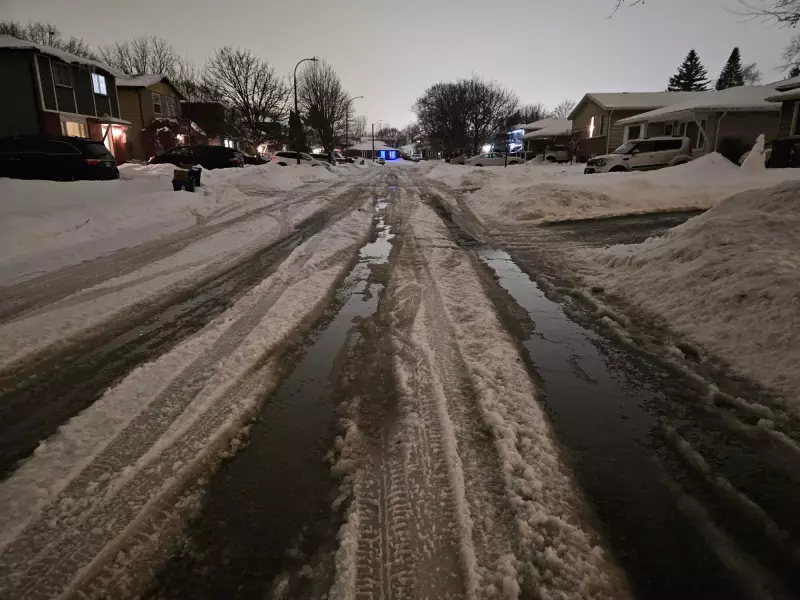
As winter thaws and spring rains approach, homeowners in Kitchener and across Southern Ontario are being urged to take proactive steps to protect their properties from potential flood damage. The risks are real, as seen on streets like Harcourt Crescent in Kitchener, where melting snow and slush created significant pools of water in early January 2025.
Understanding the Flood Risk in Kitchener-Waterloo Region
The image of Harcourt Crescent, captured by Jennifer K. Baker for CTV News on January 6, 2025, serves as a stark reminder. It shows snow, slush, and large pools of water accumulating on residential streets, highlighting how quickly melting precipitation can overwhelm local drainage systems. This standing water is often the first sign of trouble, as it can seep into basements and foundations, causing thousands of dollars in damage.
Flooding is one of the most common and costly disasters for Canadian homeowners. It's not just a seasonal issue; basement flooding can occur year-round due to heavy rainfall, rapid snowmelt, sewer backup, or the failure of sump pumps and other protective systems. The financial and emotional toll can be devastating.

Actionable Steps to Safeguard Your Home
Experts recommend a multi-layered approach to flood prevention. First, focus on the exterior of your home. Ensure your property's grading slopes away from the foundation, directing water toward the street or a backyard rain garden. Clean your gutters and downspouts regularly, and extend downspouts at least six feet (two metres) away from your house to prevent water from pooling at the base.
Next, inspect and maintain critical interior systems. Your sump pump is your basement's first line of defense. Test it by pouring a bucket of water into the sump pit to ensure it activates and pumps water out effectively. Consider installing a battery backup system in case of a power outage during a storm—a common time for flooding to occur.
Invest in Preventative Infrastructure
For older homes, more significant investments may be necessary. Installing a backwater valve on your main sewer line can prevent municipal sewer backups from entering your home—a major cause of basement flooding. Sealing cracks in your foundation walls and floor is also crucial. Even small fissures can allow a surprising amount of water to enter.
Finally, be smart about what you store in vulnerable areas. Keep valuables, electrical panels, and furnaces off the basement floor. Use waterproof storage containers for items that must be kept below grade. Review your home insurance policy to understand exactly what types of water damage are covered, as standard policies often exclude overland flooding.
Long-Term Benefits of Proactive Protection
Taking these steps does more than just prevent a messy cleanup. It protects the structural integrity of your home, prevents mold growth—a serious health hazard—and safeguards your financial investment. The cost of preventative measures is typically a fraction of the cost of repairing flood damage, which can easily run into the tens of thousands of dollars.
By acting now, Kitchener residents can face the wet seasons ahead with confidence. Regular maintenance and strategic upgrades can turn your home into a resilient stronghold against water intrusion, ensuring your property remains safe, dry, and valuable for years to come.