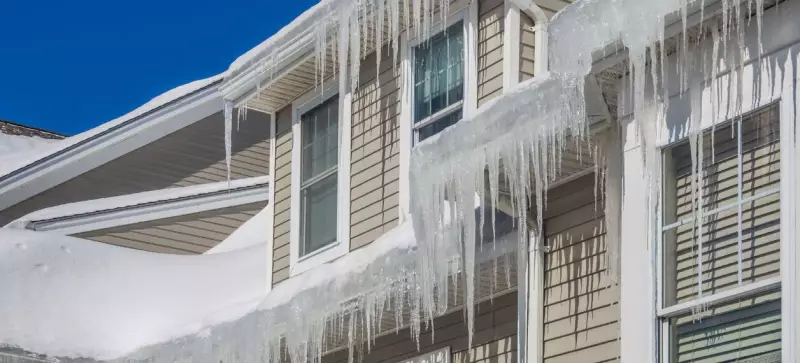
While they may add a touch of winter charm to a streetscape, those shimmering icicles dangling from rooftops are far more than seasonal decoration. For homeowners across Canada, they serve as a clear, cold warning of potential trouble brewing overhead, signaling heat loss and the risk of costly ice dams.
The Science Behind the Sparkle: More Than Just Frozen Water
Icicles form when snow on a roof melts, runs down the slope, and refreezes at the colder eaves. The primary driver of this melt is heat escaping from the attic space. This means a heavy crop of icicles often points to insufficient attic insulation or poor ventilation, allowing warm air from the home's interior to rise and warm the roof deck from underneath.
"The presence of significant icicles is a visual clue that your home is losing heat through the roof," explains a general principle of building science. This not only leads to higher heating bills but sets the stage for a more destructive phenomenon: the ice dam.

From Icicles to Ice Dams: A Recipe for Water Damage
When meltwater runs down the roof and refreezes at the eaves, it can create a ridge of ice that blocks subsequent meltwater from draining off. This trapped water can then back up under the shingles, seep into the roof deck, and eventually drip into attics, walls, and insulation. The resulting damage can be extensive and expensive, including:
- Rotted roof decking and structural framing
- Damaged or destroyed insulation, reducing its effectiveness
- Stained or ruined ceilings and walls
- Peeling paint and damaged plaster
- Mold and mildew growth within wall cavities
The weight of the ice itself can also strain gutters and roofing materials, leading to physical damage.
Prevention and Solutions for Canadian Homeowners
Addressing the root cause is more effective and safer than simply knocking down icicles, which can be dangerous and may damage gutters. The key strategy is to keep the entire roof deck cold to prevent the snow-and-melt cycle.
Homeowners should focus on improving attic insulation to minimize heat loss and ensuring proper attic ventilation. This allows cold outside air to flow through the attic, carrying away any heat that does escape. Sealing air leaks from the living space below (such as around light fixtures, plumbing vents, or the attic hatch) is another critical step.
For existing ice dams, careful removal may be necessary to prevent immediate water intrusion. However, professionals warn against using sharp tools or excessive force on the roof, which can cause more harm than good. In the long term, investing in a professional energy audit or roof inspection can identify specific weaknesses in a home's thermal envelope and ventilation system.
By viewing icicles not as a winter wonder but as a diagnostic tool, homeowners can take proactive steps to improve their home's efficiency, prevent destructive water damage, and ensure their property is truly prepared for the Canadian winter.