In the wake of increasing climate-related weather events, an Ottawa-based contractor is stepping forward with crucial guidance to help homeowners protect their properties from the devastating effects of flooding. Ryan, a seasoned professional in the construction and maintenance industry, emphasizes that proactive measures can significantly reduce the risk of water intrusion and associated damages.
Understanding the Risks and Taking Action
Flooding poses a serious threat to residential structures, often leading to expensive repairs, mold growth, and structural compromise. Ryan points out that many homeowners underestimate the importance of regular maintenance and simple upgrades that can fortify a home against water-related issues.
Key Strategies for Flood Prevention
To mitigate these risks, Ryan recommends several practical steps that homeowners can implement:

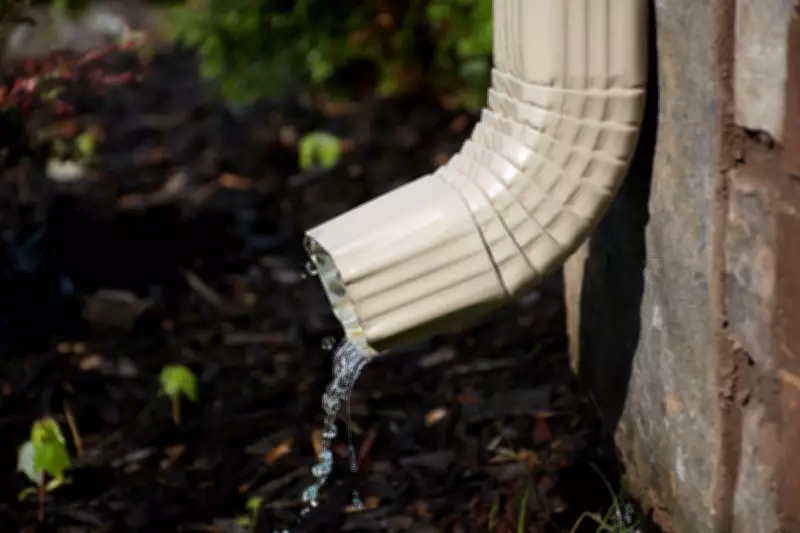
- Inspect and Maintain Gutters and Downspouts: Ensure that gutters are clear of debris and that downspouts direct water at least six feet away from the foundation to prevent pooling.
- Install a Sump Pump: A properly functioning sump pump in the basement can efficiently remove excess water during heavy rainfall or snowmelt.
- Seal Cracks and Gaps: Regularly check the foundation, windows, and doors for any openings and seal them with appropriate materials to block water entry.
- Grade the Landscape: Slope the ground away from the house to encourage water drainage and reduce the likelihood of basement flooding.
- Consider Backwater Valves: Installing these devices in sewer lines can prevent sewage backups during severe storms, a common cause of indoor flooding.
The Importance of Early Preparation
Ryan stresses that waiting until a flood warning is issued is often too late. He advises homeowners to conduct seasonal inspections, especially before spring thaw and autumn rains, to identify potential vulnerabilities. Investing in flood prevention now can save thousands of dollars in future repairs and provide peace of mind, he notes.
Additionally, he suggests consulting with local experts to assess specific risks based on the property's location and soil conditions. For those in flood-prone areas, elevating electrical systems and appliances above potential water levels is another effective precaution.
Broader Implications for Homeowners
Beyond individual actions, Ryan highlights the role of community awareness and municipal support in flood management. He encourages homeowners to stay informed about local drainage systems and participate in neighborhood initiatives aimed at improving water runoff infrastructure.
By adopting these measures, homeowners not only protect their investments but also contribute to broader resilience against environmental challenges. As extreme weather events become more frequent, such proactive steps are increasingly vital for safeguarding homes and communities across the region.