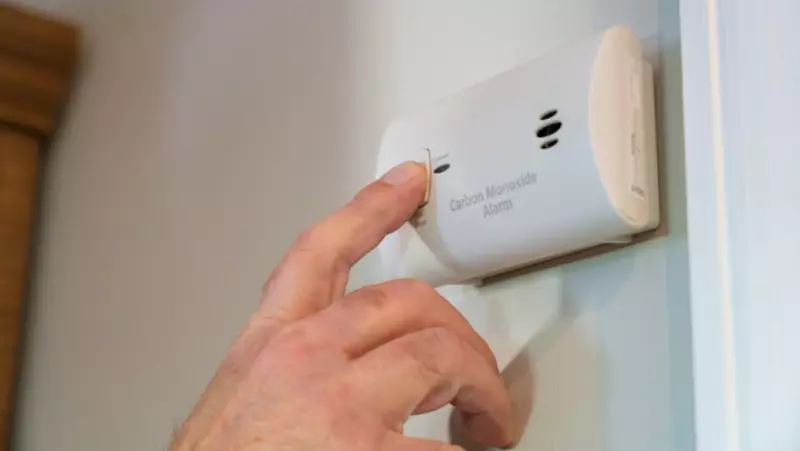
The City of Ottawa has enacted a significant update to its fire code, introducing a new mandate for residential carbon monoxide (CO) detection. The revised regulations now require homeowners and landlords to install functioning carbon monoxide detectors on every floor of their properties.
Details of the New Safety Mandate
Announced on January 4, 2026, the updated fire code specifically targets the silent threat of carbon monoxide poisoning. This colorless, odorless gas is a byproduct of incomplete combustion from fuel-burning appliances like furnaces, water heaters, fireplaces, and stoves. The new rule mandates that detectors be installed on each habitable floor of a home, including basements with living spaces but excluding unfinished attics or crawl spaces.
This proactive measure aims to prevent tragedies by providing earlier warnings to residents. Carbon monoxide poisoning can cause flu-like symptoms, disorientation, and, in high concentrations, lead to unconsciousness and death. The regulation applies to all types of residential dwellings, from single-family homes to multi-unit rental buildings.

Compliance and Implementation
Residents and property owners are responsible for ensuring their homes comply with the updated code. The detectors must be ULC-listed, which is the Canadian standard for safety. They can be battery-operated, plug-in, or hardwired with a battery backup. Experts recommend testing detectors monthly and replacing batteries at least once a year, or according to the manufacturer's instructions.
While the city has not immediately specified fines for non-compliance in the initial announcement, typical fire code violations can result in substantial penalties. The Ottawa Fire Services is expected to roll out an educational campaign to inform the public about the change and the importance of CO safety, alongside routine inspections.
A Move Towards Enhanced Public Safety
This regulatory change aligns Ottawa with a growing number of municipalities across Canada that are strengthening their requirements for carbon monoxide detection. It represents a direct response to the documented risks posed by the gas, especially during winter months when windows and doors are sealed shut and heating systems run frequently.
The update underscores a shift in building safety codes from a reactive to a preventative stance. By requiring detectors on every floor, the chances of early detection increase dramatically, potentially saving lives. Homeowners are encouraged to view this not as a bureaucratic hurdle, but as a critical investment in the safety and well-being of everyone in their household.