Consumer Alert: The Essential Travel Item You Might Be Forgetting
As March Break approaches and summer vacation planning kicks into high gear, travelers are busy packing their suitcases with essentials like sunscreen, passports, and chargers. However, safety experts are now issuing a critical reminder: consider adding a portable carbon monoxide detector to your packing list. This small device could be a lifesaver, protecting you and your family from the silent, odorless threat of carbon monoxide poisoning while away from home.
The Invisible Danger in Vacation Accommodations
Carbon monoxide (CO) is a colorless, tasteless, and odorless gas that can be produced by faulty heating systems, gas appliances, fireplaces, or generators in hotels, rental cabins, Airbnb properties, and even cruise ships. Unlike smoke, which is easily detectable, CO can accumulate without warning, leading to symptoms like headaches, dizziness, nausea, and in severe cases, death. "Many travelers assume their accommodations are safe, but carbon monoxide incidents can happen anywhere, especially in older buildings or poorly maintained rentals," explains a public health official. Recent cases have highlighted fatalities and hospitalizations during vacations, underscoring the need for personal vigilance.
Why Relying on Property Safety Isn't Enough
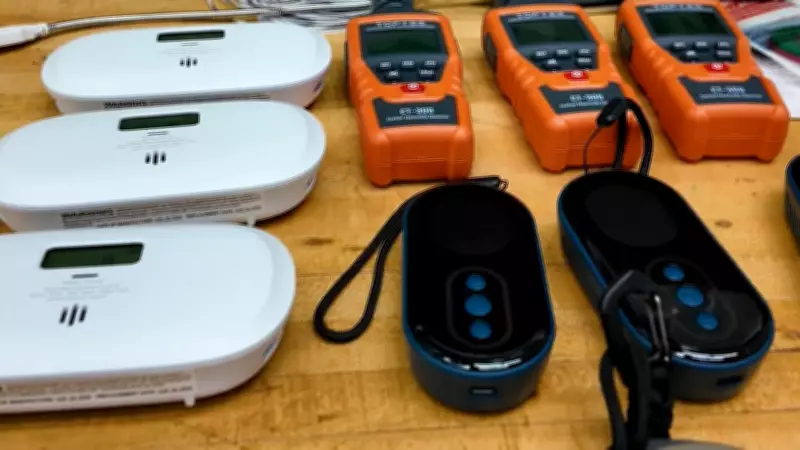
While many jurisdictions require carbon monoxide detectors in residential properties, regulations for short-term rentals and hotels can vary widely or be inadequately enforced. Travelers might encounter detectors that are missing, disabled, or past their expiration date. Packing a portable detector—often compact, battery-operated, and affordable—provides an extra layer of security. "It's about taking control of your safety," says a consumer advocate. "These devices are lightweight, easy to use, and can alert you to danger before it's too late, giving you time to evacuate and seek help."

Practical Tips for Travelers
- Choose a Portable Detector: Look for models designed for travel, which are typically small, battery-powered, and may include features like digital displays or alarm sounds.
- Test Before You Go: Ensure your detector is functioning properly by testing it at home and packing fresh batteries.
- Place It Strategically: In your accommodation, position the detector near sleeping areas, as CO poisoning often occurs at night when people are less likely to notice symptoms.
- Know the Signs: Be aware of CO poisoning symptoms, such as flu-like feelings without a fever, and evacuate immediately if the alarm sounds or you suspect exposure.
As travel picks up post-pandemic, with more people exploring remote cabins or international destinations, this precaution is becoming increasingly relevant. Health agencies note that carbon monoxide incidents spike during colder months but can occur year-round, especially in properties with gas heating or cooking facilities. By making a detector a staple in your luggage, you're not just packing for convenience—you're investing in peace of mind and potentially saving lives during your well-deserved getaway.