Essential Winter Home Safety Measures for Canadian Residents
As winter tightens its grip across Canada, homeowners face unique challenges in protecting their properties from seasonal hazards. The combination of heavy snowfall, freezing temperatures, and ice accumulation requires proactive measures to ensure safety and prevent damage.
Recent weather patterns have demonstrated the importance of early preparation. Environment Canada has warned that Ontario and Quebec may experience winter storms later this week, highlighting the urgency for homeowners to take preventive action.
Key Areas for Winter Home Protection
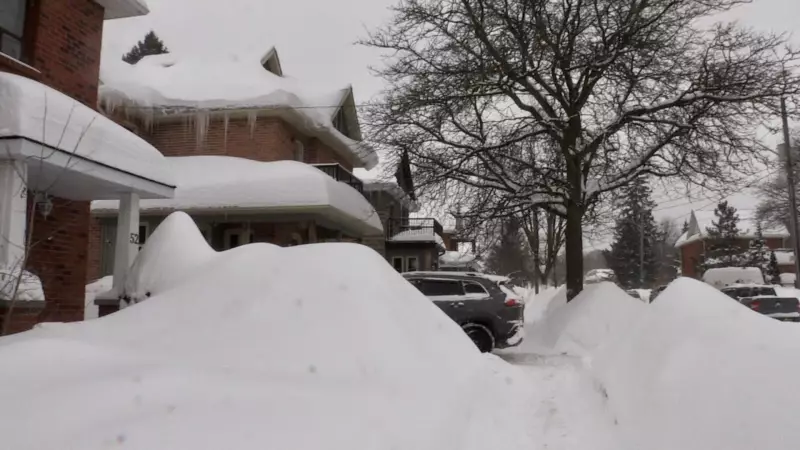
Roof maintenance becomes critically important during heavy snowfall periods. The weight of accumulated snow can strain structures, while ice dams may form along eaves, potentially causing water damage. Regular inspection and clearing of gutters before winter sets in can prevent ice buildup and subsequent issues.

Heating system maintenance should be prioritized before temperatures drop significantly. Have furnaces and fireplaces professionally inspected to ensure proper ventilation and carbon monoxide detection. Install and test carbon monoxide detectors on every level of your home, particularly near sleeping areas.
Pipe insulation represents another crucial winter preparation step. Exposed pipes in unheated areas like basements, attics, and garages require insulation to prevent freezing and potential bursting. During extreme cold snaps, allowing faucets to drip slightly can maintain water flow and reduce pressure buildup in pipes.
Emergency Preparedness and Outdoor Safety
Create an emergency kit containing essential supplies that could sustain your household for at least 72 hours during power outages or severe weather conditions. This should include non-perishable food, water, medications, flashlights with extra batteries, and a battery-powered radio.
Outdoor walkways and driveways require regular attention throughout winter months. Use appropriate ice melt products that won't damage surfaces or harm vegetation. Keep shovels accessible and consider snow removal services if physical limitations prevent safe clearing of heavy snow.
Fire safety measures become increasingly important as households rely more heavily on heating systems and alternative light sources during power outages. Ensure space heaters maintain adequate clearance from flammable materials and never leave them unattended.
By implementing these comprehensive winter safety measures, Canadian homeowners can significantly reduce risks associated with harsh winter conditions. Regular maintenance and proactive preparation provide the best defense against seasonal hazards, ensuring safer living environments throughout the coldest months.