Essential Cycling Safety Tips for a Secure Riding Season in Ontario
With the arrival of spring, cycling season is back in full swing across Ontario. More residents are heading out onto roads, trails, and city streets on two wheels, embracing the warmer weather and the health benefits of biking. However, this increased activity also brings heightened risks, making safety a paramount concern for all riders.
Prioritize Proper Gear and Equipment
A well-maintained bicycle is the foundation of safe cycling. Before your first ride of the season, conduct a thorough check of your bike. Inspect the tires for adequate pressure and any signs of wear, test the brakes to ensure they are responsive, and verify that the chain is properly lubricated. Regular maintenance can prevent accidents caused by mechanical failures.
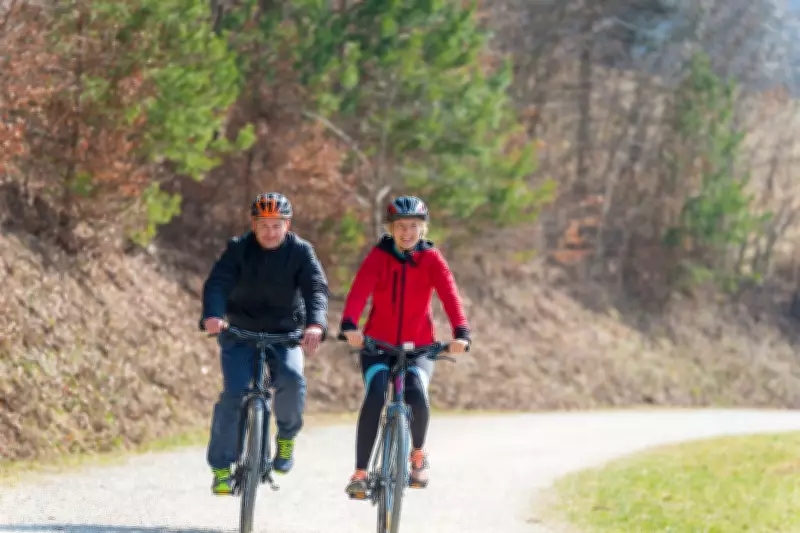
Equally important is personal protective gear. Always wear a certified helmet that fits snugly and is securely fastened. Helmets have been proven to significantly reduce the risk of head injuries in the event of a fall or collision. Additionally, consider wearing bright, reflective clothing to enhance your visibility to motorists, especially during dawn, dusk, or nighttime rides.

Plan Your Route and Ride Defensively
Choosing safe routes is a critical step in ensuring a secure cycling experience. Opt for designated bike lanes or trails whenever possible, and avoid high-traffic roads during peak hours. Familiarize yourself with local cycling maps or apps that highlight bike-friendly paths.
When sharing the road with vehicles, practice defensive riding techniques. Always signal your turns and stops clearly, obey all traffic signals and signs, and maintain a predictable line of travel. Assume that drivers may not see you and be prepared to react to sudden hazards. Keep a safe distance from parked cars to avoid being struck by opening doors.
Stay Alert and Be Prepared for Emergencies
Cycling requires constant awareness of your surroundings. Avoid distractions such as using headphones or mobile devices while riding. Scan the road ahead for obstacles like potholes, debris, or wet surfaces that could cause a loss of control.
Carry a basic repair kit and a first-aid kit on longer rides. Include items like a spare tube, tire levers, a multi-tool, and bandages. It's also wise to have identification, emergency contact information, and a charged phone with you. Being prepared can turn a minor mishap into a manageable situation rather than a crisis.
Educate Yourself and Others on Cycling Laws
Understanding and following local cycling laws is essential for safety. In Ontario, cyclists have the same rights and responsibilities as drivers on most roads. This includes stopping at red lights and stop signs, yielding to pedestrians, and using lights after dark. Knowledge of these rules helps prevent conflicts with other road users.
Consider taking a cycling safety course to refresh your skills, especially if you are new to riding or returning after a break. Encourage family and friends to do the same, fostering a culture of safety within your community. By riding responsibly, you contribute to a safer environment for all cyclists and motorists alike.
As the cycling season progresses, remember that safety is an ongoing commitment. Regular checks, cautious riding, and proper preparation can make every journey enjoyable and secure. Embrace the freedom of two wheels, but do so with the vigilance needed to protect yourself and others on the road.