Venturing into the Untamed Heart of Milk River Country
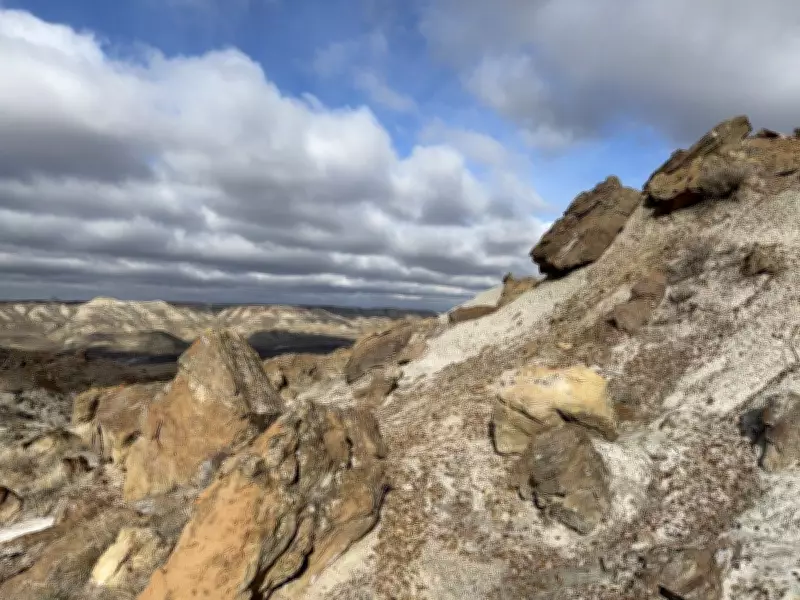
Embarking on an early-morning descent into the Milk River Canyon, the thick cloud cover began to part just twenty minutes into the journey. Beams of white light pierced through, illuminating the sun-scorched hills and bringing the lunar-like landscape to vibrant life. As I navigated deeper, a maze of red-orange concretions, towering hoodoos, and water-carved slots unfolded around me. High above, raptors soared effortlessly on thermal currents, while fast-moving bands of cloud shadows streaked across the valley floor in rhythmic waves. To the east, the river shimmered with a silvery glow, creating an otherworldly sensation akin to being abandoned on Mars.
The Allure of Remote and Under-the-Radar Exploration
For those who seek solitude and untouched natural beauty, the Milk River region in southern Alberta stands as one of the most remote and captivating destinations. This area is characterized by desolate badlands, deep canyons, and vast, jaw-dropping scenery that remains virtually undisturbed by human activity. Nestled in the deep southeast corner of Alberta, the Milk River meanders through some of the driest and most isolated land in North America, offering a treasure trove of geographical wonders.
This lazy river, the only one in Alberta that flows into the Missouri River and eventually empties into the Gulf of Mexico, covers a journey of approximately 1,200 kilometres. Along its path, it winds through sublime landscapes including arid coulees, striking red sandstone cliffs, and hills dotted with resilient cacti. Notable features include wind, water, and glacier-carved badlands, as well as the deepest canyon found in the Great Plains.

A Rich Tapestry of Cultural and Historical Significance
For thousands of years, this spectacular river valley has held sacred importance for First Nations peoples, particularly the Blackfoot Nation, who used it for hunting, gathering, and ceremonial activities. Writing-on-Stone Provincial Park, a UNESCO World Heritage Site located about 40 kilometres east of the town of Milk River, is home to the largest concentration of rock art on the North American Great Plains. With over 50 petroglyph sites and thousands of individual works discovered, it serves as a profound testament to the region's deep cultural heritage.
The valley also bears witness to the early pioneering efforts on the plains, marked by ghost towns, overgrown cemeteries, and abandoned farms that now sit in ruin along the desolate valley rim. These remnants highlight the harsh, remote, and arid conditions that made settlement challenging, painting a picture of lean times and dashed dreams alongside the natural beauty.
Insights from Literary Exploration and Personal Reflection
In researching this story, one invaluable resource emerged: River of Dreams by Liz Bryan, published by Heritage House Publishing in 2019. Based on multiple trips through the vast Milk River watershed, including extensive sections in Montana, Bryan's travelogue passionately and poetically captures the history, culture, and geology of the region. In correspondence, she expressed, "This lovely part of Canada will always be in my heart. It's a wonderful river, the landscapes are mesmerizing."
Exploring Milk River country is not without its challenges, but the rewards are unparalleled. The grand views and trails offer an immersive experience into a world where nature's artistry and human history intertwine, making it a destination that truly can't be beat for adventurers seeking solitude and awe-inspiring scenery.