In the whirlwind of modern parenting, where so many aspects of a child's life feel uncontrollable, it's natural for moms and dads to fixate on domains they can manage—like food. This intense focus on "proper" nutrition, however, can sometimes drain the joy from one of life's fundamental pleasures: eating what we love.
The Fear Factor Around Food
Pediatric emergency room physician Dr. Dina Kulik observes that certain foods, such as sugar, carbohydrates, and processed items, often trigger disproportionate fear. "In realistic amounts, and within an overall balanced diet, they’re not the villains they’re often made out to be," she explains. "The stress and restriction around these foods can be more harmful than the foods themselves."
Many pediatricians, who are also parents, adopt a more relaxed approach to their children's diets than one might assume. Here are some of the unexpected items that appear on their family dinner tables.

Fast Food: A Practical Choice
"We stop for fast food occasionally," admits Dr. Debra Langlois, a pediatrician at the University of Michigan Health C.S. Mott Children’s Hospital. "I’m a working parent; so when I get out of work late, and my children have an activity I need to get them to, they still have to eat. It’s important for all of us parents to remember that we’re doing the best we can. We need to give ourselves some grace as we strive to give children a healthy lifestyle that includes nutrition and physical activity."
Chicken Tenders for Busy Nights
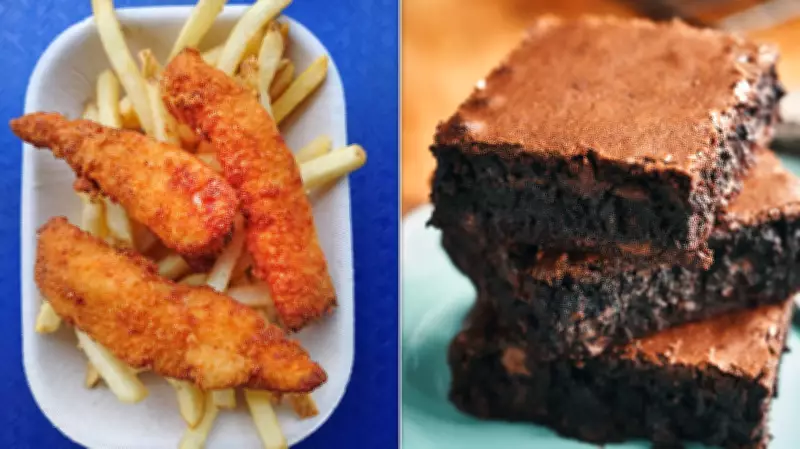
In hectic households, "some nights everyone just needs something quick and easy," says Dr. Alicia Tucker, attending pediatrician at Children’s National’s obesity program called Improving Diet, Energy and Activity for Life (IDEAL). "For us, chicken tenders fit the bill because they’re affordable, cook quickly and will always be eaten. I aim to balance this with easy, healthy sides that add some fiber and other nutrients, like putting them on top of a salad or serving them with apple slices or corn."
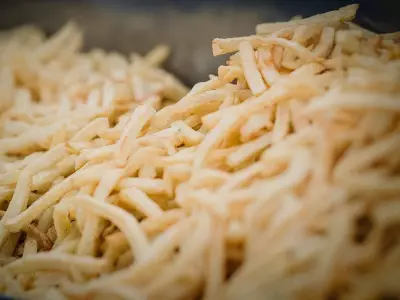
French Fries: Not a Health Derailment
Dr. Tokunbo Akande, an integrative pediatrician, notes, "I do oven frying to use less oil, and I do use sweet potatoes sometimes." He feels comfortable with this choice, stating, "A single food doesn’t determine a child’s health, so when the foundation is whole-food, plant-forward eating, occasional ‘fast foods’ don’t derail gut health, because the gut is more resilient."
For Dr. Sara Hagan, a pediatrician at Oklahoma Children’s OU Health, frozen french fries are a welcome option "on busy nights when we need something quick that our toddler will eat." She adds that parents often worry unnecessarily about packaged foods. "While fresh foods are ideal, many packaged options contain added vitamins and nutrients that can support toddlers and picky eaters, and they can complement whole foods for a balanced diet." Hagan emphasizes that a child's eating habits are not a judgment on parenting. "A child’s picky eating, preference for ‘treat’ foods or adventurous palate don’t reflect on a parent’s ability. The most important thing is raising a happy, healthy child."
Potato Chips as an Occasional Snack
"My kids get barbecue or vinegar-and-salt chips as an occasional snack," shares Dr. Anisha Abraham, chief of adolescent medicine at Children’s National Hospital. "As a teen health specialist taking care of adolescents with eating disorders, I know that strictly controlling what kids eat may increase anxiety around eating, lead to sneaking food, or contribute to disordered eating patterns later in life. Kids benefit from structure, including regular meals and snacks, but they also need independence and trust so they can develop healthy patterns as they become young adults."
Dr. Adolfo Flores, a pediatrician at Children’s Health Dallas, agrees. "I have a 19-month-old, and she’ll occasionally enjoy some potato chips," he says. "Although the amount of sodium and carbohydrates may give pause, it’s important that my daughter understands that a healthy diet looks like a diverse selection of foods, and that includes things like chips on occasion."

Dessert Without Guilt
Registered dietitian Katherine Shary, who leads pediatric obesity prevention efforts at Children’s Healthcare of Atlanta, reveals, "I let my kids have dessert with dinner a couple times per week. That includes ice cream, cake, brownies, cookies or popsicles." She advocates a smart approach: "If your child asks for brownies, you might say, ‘Sure, we can have brownies with dinner,’ and then serve one brownie to each person. If they ask for more, you can respond with: ‘That’s all the brownies we have for this meal, but if you’re still hungry, there’s plenty of other food on the table.’ This sets a clear boundary without shame or making dessert feel off-limits."
Dr. Paulina Tran, a pediatrician and associate program director in the allergy and immunology department of pediatrics at Los Angeles Medical Center, notes, "Peanut butter chocolate ice cream is my son’s favorite sweet treat. As an allergist, I’m very aware that peanut is a top allergen. We know from strong evidence that early and regular exposure to allergens like peanuts can help prevent food allergies in many children. Since I know my child can safely eat peanuts, I’m supportive of him enjoying chocolate peanut butter ice cream as part of maintaining that regular exposure."
Soda for Special Occasions
"I do allow my kids, who are school-aged, to drink soda when we’re on vacation or celebrating birthdays," says Dr. Rebecca Carter, a pediatrician at the University of Maryland Golisano Children’s Hospital and an associate professor at the University of Maryland School of Medicine. "As parents, we feel that treating soda as a once-in-a-while treat is a fair compromise, so that foods don’t feel fully off-limits or forbidden."
The Power of Parental Modeling
Dr. Alicia Tucker highlights that "research consistently shows that parental modeling of healthy eating behaviors has a huge impact on a child’s developing relationship with food. When kids see their parents eating a variety of foods, they’re more likely to do so as well."
She offers practical tips for being a positive food role model: "Put cucumber sticks or other crunchy veggies on the table for a pre-dinner snack while you’re cooking, and over time your kids are likely to pick up on the habit, too. And if you’re craving a cookie after dinner, remember to avoid comments about weight or body image or only getting to eat it because you exercised. Just let everyone take a cookie together and enjoy the evening."
Setting a Positive Tone
The overarching message from these pediatricians is that parents set the emotional tone around food, which should emphasize pleasure, enjoyment, and nourishment. "Most parents restrict treats because they care deeply about their kids’ growth and development — and that comes from a loving place," Shary notes. "If you’ve been using dessert only as a reward or bribe, you haven’t failed — you were doing what you thought was best. You can always try something new, like offering a small dessert with a meal or snack without strings attached. When dessert is treated as simply another food, kids build a healthier, more positive relationship with eating that can benefit them for life."
Finally, the atmosphere at mealtime often outweighs the specific foods served. "Creating a positive mealtime environment where kids feel safe, heard and included often matters just as much as what’s on their plate," Abraham asserts.
Dr. Tokunbo Akande reminds parents, "Gut health is as much emotional as it is nutritional. When we remove shame and pressure from eating, we support the nervous system and kids digest better. The most ‘integrative’ thing we can offer is a relaxed, joyful relationship with food."