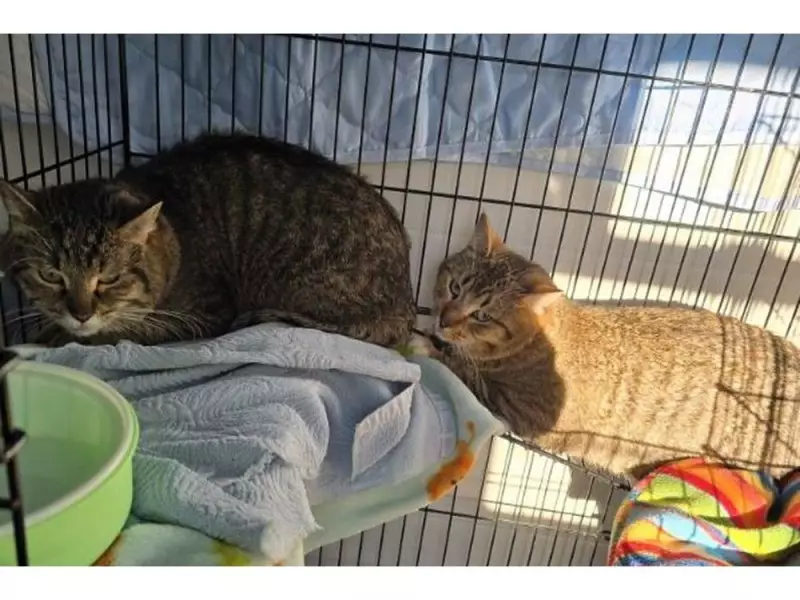
Three Saskatchewan animal rescue organizations have united to care for 41 cats rescued from a distressing hoarding situation in Wynyard, prompting calls for mandatory spay and neuter initiatives to prevent similar crises.
A Discovery During a Wellness Check
On January 2, 2026, RCMP officers arrived at a home in Wynyard to conduct a wellness check. Inside, they discovered one deceased individual and a second person who required immediate health care. Police also confirmed the presence of a significant number of cats in the residence.
While the RCMP did not specify the count at the time, they stated they were collaborating with animal rescue groups to ensure the animals' welfare. "As there is no criminality involved and to be mindful of the privacy of those involved, we are not providing any additional details," the RCMP noted in an official statement.

The Complex Rescue Operation
Veronica Hermiston, director and founder of the Mozart Sympawthy Animal Sanctuary Inc., received the call from RCMP while preparing for another rescue mission. Unable to handle the large-scale operation alone, she quickly mobilized a coalition of volunteers.
Hermiston contacted SOS Prairie Rescue and SCAT Street Cat Rescue, who both agreed to assist. The rescue teams faced a challenging task. Some of the felines were coaxed out with food, while others, frightened and hiding in spaces like the roof, had to be carefully trapped.
"The kitties would go up in the roof, so it takes time to catch them and have them come down and trust you," Hermiston explained in an interview. She emphasized that while her group has handled hoarding cases before, the urgency was heightened by the need to remove the animals from the cold winter conditions swiftly.
A Plea for Policy Change to Prevent Future Suffering
In the aftermath of the rescue, Hermiston is advocating for a fundamental policy shift. She is urging municipal governments across the province to enact bylaws that mandate the spaying and neutering of pets.
She argues that proactive legislation is the most effective way to curb pet overpopulation and prevent hoarding situations from developing. Her organization has even discussed potential frameworks for such policies, including subsidy programs to assist owners who cannot afford the procedures.
"This is the best way to prevent hoarding situations like the one in Wynyard," Hermiston stated firmly.
The road to recovery for the 41 rescued cats will be lengthy. Veterinary professionals have described the animals as being "shut down." All female cats require spaying, and many need extensive rehabilitation and medical care before they can be considered for adoption. There is currently no firm timeline for when the cats will be ready for new homes.