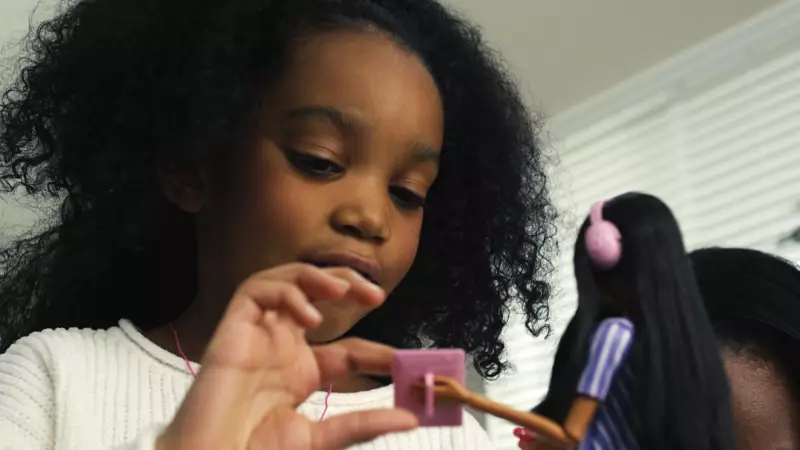
The toy world has taken a significant step forward in representation with the release of the first-ever Barbie doll representing a child on the autism spectrum. The doll, which includes an Augmentative and Alternative Communication (AAC) device, is being hailed as a "magical" milestone by autism advocates and families across Canada.
A Moment of Instant Recognition
The impact of this new doll was immediately evident. Five-year-old Mikko, a child who is herself on the spectrum, instantly noticed the doll's accessory. She recognized that the Barbie carries an AAC device, a tool she uses herself to communicate. This moment of identification underscores the profound importance of seeing oneself reflected in popular culture and play.
For many children and parents, mainstream toys have historically lacked this level of authentic representation. The introduction of a Barbie that mirrors the experiences of non-speaking or minimally verbal individuals who use AAC technology marks a pivotal shift. It validates their lived experience and provides a powerful tool for inclusive play and education.

Why This Representation Matters
The release, announced on January 12, 2026, is more than just a new product launch; it's a cultural acknowledgment. Autism advocates argue that such representation is crucial for building self-esteem in autistic children and fostering understanding and acceptance among their neurotypical peers.
AAC devices are lifelines for many, enabling communication through symbols, pictures, or text-to-speech technology. By including this device, Mattel has moved beyond superficial diversity to incorporate a specific and meaningful aspect of many autistic individuals' daily lives. This detail shows a commitment to accuracy and respect, which is at the heart of true inclusion.
A Broader Trend in Inclusive Play
This Barbie joins a growing lineup of dolls from Mattel designed with diversity and inclusion in mind, including dolls with Down syndrome, hearing aids, vitiligo, and prosthetic limbs. The move reflects a broader demand from consumers for toys that represent the full spectrum of human experience.
For Canadian families, this development is particularly resonant. It provides a tangible symbol of visibility in a global brand, helping to normalize differences and spark conversations about neurodiversity in homes, schools, and communities. The celebration by advocates highlights a collective hope that this is just the beginning of deeper, more consistent representation in all forms of media and merchandise.
The arrival of the first autism Barbie is a simple yet powerful reminder that everyone deserves to see a hero who looks, acts, and communicates like they do. It’s a small doll with a potentially enormous impact on the hearts and minds of a generation.