Ontario SPCA Emphasizes Critical Pet Safety Measures During Severe Cold Spells
The Ontario Society for the Prevention of Cruelty to Animals (OSPCA) has issued an urgent advisory for pet owners across the province, highlighting the necessity of implementing additional protective measures for animals during periods of extreme cold weather. As temperatures plummet across many regions of Ontario, the organization stresses that pets require heightened attention and care to ensure their well-being and safety.
Essential Guidelines for Protecting Pets in Harsh Winter Conditions
According to the OSPCA, several key precautions should be taken to safeguard pets during cold snaps. Limiting outdoor exposure is paramount, as animals can suffer from frostbite and hypothermia much more quickly than many owners realize. The organization recommends keeping walks brief and monitoring pets closely for signs of discomfort, such as shivering, whining, or lifting paws off the ground.
Providing adequate shelter is another critical component of cold-weather pet care. For animals that must spend time outdoors, shelters should be insulated, dry, and protected from wind. Bedding materials like straw or blankets can offer additional warmth, but owners must ensure they remain dry to prevent freezing.

Special Considerations for Different Types of Animals
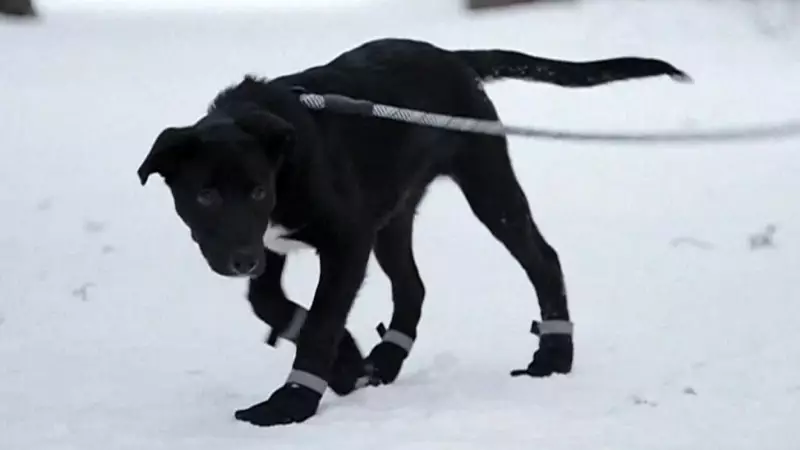
The OSPCA notes that certain animals require specific attention during cold weather. Short-haired breeds, elderly pets, and very young animals are particularly vulnerable to temperature extremes and may benefit from protective clothing like sweaters or booties. Paw protection is especially important, as ice, snow, and road salt can cause irritation, cracking, or chemical burns.
For outdoor cats and community animals, the organization advises providing accessible shelters and ensuring water sources do not freeze. Heated water bowls or frequent water changes can prevent dehydration, which remains a risk even in cold conditions.
Recognizing and Responding to Cold-Related Health Issues
Pet owners should be vigilant for symptoms of cold-weather health problems. Signs of hypothermia include lethargy, weakness, and shallow breathing, while frostbite may manifest as pale, gray, or blue skin on extremities like ears, tails, and paws. If any of these symptoms are observed, the OSPCA recommends moving the animal to a warm environment immediately and contacting a veterinarian for further guidance.
By following these guidelines, pet owners can help ensure their animals remain safe and healthy throughout the winter months, reducing the risk of cold-related illnesses and injuries.