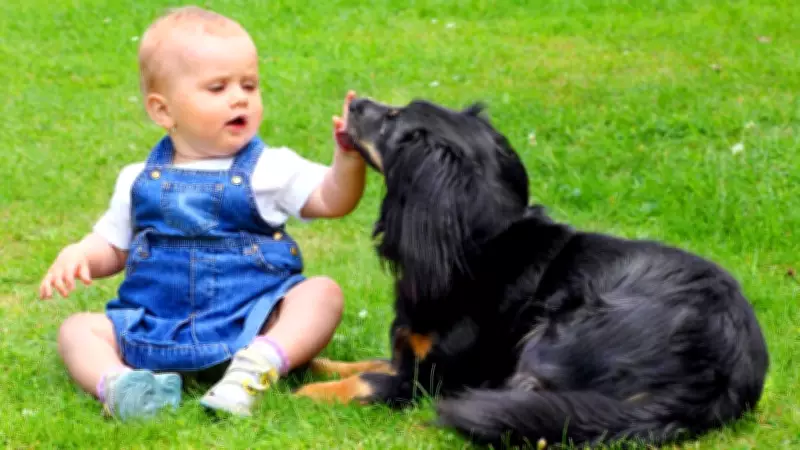
Pet Safety Guide for New Parents: Protecting Babies and Animals
Welcoming a new baby into the home is a joyous occasion, but it also requires careful consideration for families with pets. Ensuring the safety of both infants and animals is paramount to creating a harmonious environment. Dr. Paul, a noted expert in pediatric and veterinary care, emphasizes the importance of proactive measures to prevent accidents and promote well-being.
Understanding the Risks
Pets, while beloved members of the family, can pose unintentional risks to babies and small children. Common hazards include scratches, bites, allergic reactions, and the transmission of germs. Dr. Paul explains that pets may feel stressed or territorial with the arrival of a new family member, leading to unpredictable behavior. It is crucial for parents to recognize these risks and take steps to mitigate them early on.
Practical Safety Tips
To foster a safe coexistence, Dr. Paul recommends the following strategies:

- Supervision is Key: Never leave a baby or young child unattended with a pet, even if the animal has a gentle temperament. Constant supervision helps prevent sudden incidents.
- Create Safe Spaces: Designate separate areas for pets and babies, such as using baby gates or pet-free zones, to reduce direct contact and allow animals to retreat when needed.
- Training and Socialization: Ensure pets are well-trained and accustomed to children through gradual exposure. Positive reinforcement can help pets adjust to new routines and noises.
- Hygiene Practices: Maintain strict hygiene by washing hands after handling pets, keeping litter boxes and pet food out of reach, and regularly cleaning pet areas to minimize germ spread.
- Health Check-ups: Schedule regular veterinary visits to keep pets healthy and up-to-date on vaccinations, reducing the risk of disease transmission.
Building a Positive Relationship
Beyond safety, fostering a positive bond between pets and children can enrich family life. Dr. Paul suggests involving older children in pet care under supervision, teaching them gentle handling, and modeling respectful behavior. This not only enhances safety but also promotes empathy and responsibility in children.
As families grow, adapting to new dynamics requires patience and planning. By implementing these safety tips, new parents can create a secure and loving home for both their babies and pets, ensuring a smooth transition and lasting harmony.