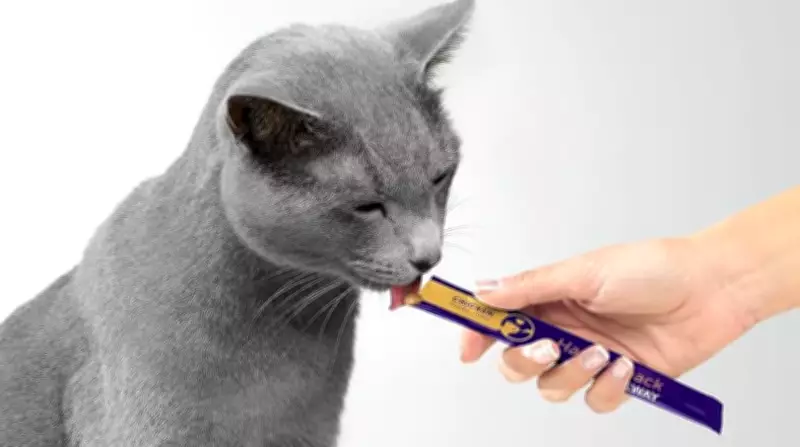
Why Cats Love Lickable Treats: A Vet's Guide to 'Cat Go-Gurt'
For many cat owners, the struggle is real: offer a bowl of dry kibble designed for urinary care, weight management, or hairball reduction, and your feline might turn up their nose with disdain. But present a tube of so-called "cat Go-Gurt," and suddenly, they're living their best life, lapping it up with the enthusiasm of a gourmet diner. What explains this dramatic shift in feline preferences?
The Allure of Lickable Cat Treats
Dr. Liza Cahn, a veterinarian at Embrace Pet Insurance, describes these treats as "moist, lickable cat snacks that come in a soft or squeezable tube, reminiscent of the iconic yogurt from our childhood." She notes that multiple brands produce these flavorful pouches, and their appealing texture and aroma often captivate cats. The novelty of licking directly from a tube adds to their charm, keeping kitties eager for more.
It's important to clarify that these treats are not affiliated with Yoplait's Go-Gurt; the similar packaging has simply led pet owners to use the term as shorthand online.

Beyond their taste, these treats are highly versatile. "They can be consumed straight from the tube or squeezed onto food to encourage eating," Dr. Cahn explains. "The high moisture content is particularly beneficial for hydration, which supports urinary health in cats."
Feeding Guidelines and Health Considerations
If your cat undergoes regular veterinary checkups, you've likely received dietary recommendations. It's crucial to integrate lickable treats mindfully. "As with any treat, moderation is key," advises Dr. Cahn. "They should constitute no more than 10% of your cat's daily caloric intake." The majority of their diet should come from complete and balanced cat food, providing essential nutrients, vitamins, and minerals.
Exceeding this limit can unbalance their diet or lead to obesity, increasing risks for conditions like diabetes, heart disease, and arthritis. Cats with preexisting issues such as diabetes, food allergies, chronic kidney disease, or gastrointestinal sensitivities require careful treat selection. Additionally, Dr. Cahn warns against allowing cats to chew on the plastic packaging, as it poses a safety hazard.
While these treats can be given simply for enjoyment, they also serve practical purposes. "They're often recommended for hiding medication, training, enrichment via lick mats or freezing, and rewarding good behavior," she adds.
Choosing the Right Brand for Your Cat
With numerous options available, selecting the best lickable treat can feel overwhelming. Interestingly, your cat might make the choice for you. "Individual preferences vary by brand, flavor, and texture, so trying a few options can help determine what they like best," says Dr. Cahn. She emphasizes that nutritional content differs among products; some may be higher in sodium or calories, so checking labels or consulting your vet is wise, especially for cats with medical conditions or calorie-restricted diets.
Top Lickable Treat Recommendations
Feliway Happy Snack: Ideal for anxious cats, this treat contains alpha-casozepine, a natural milk protein that promotes relaxation. It's often used in vet clinics to distract cats during procedures and build positive associations.
Churu Variety Pack: As the original lickable treat, Churu remains highly popular. This pack includes 50 tubes with flavors like tuna, salmon, chicken, and cheese, perfect for masking pills or offering a nutritious snack.
Solid Gold SeaMeal: Infused with seaweed to aid digestion, along with flaxseed oil and omega-3 for skin and fur health, this tuna-based treat suits cats with tummy troubles.
Purrly Low-Calorie Treats: Made with human-grade meat and fish, these treats contain just six calories per serving, supporting hydration and nutrition without excess energy intake.
Kitty Up Fortified Treats: Enriched with essential amino acids like lysine and taurine, these tuna-flavored treats support cardiac, eye, and immune function, making them a healthy dietary addition.

In summary, lickable cat treats offer a delightful way to enhance your feline's diet, provided they're used responsibly. By understanding their benefits and following veterinary advice, you can keep your cat happy and healthy.