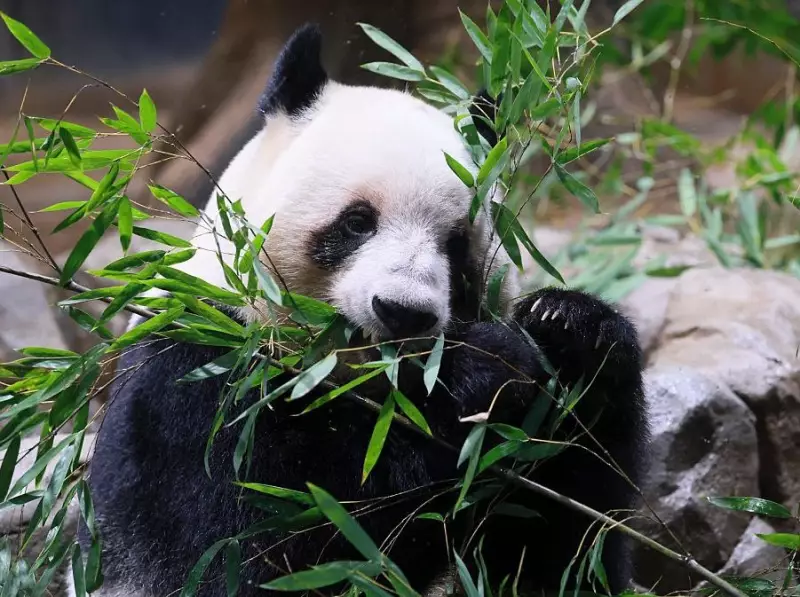
In an unusual and heartfelt response to a major animal departure, a zoo in Japan has resorted to creative measures to comfort its disappointed visitors. With the last of its giant pandas returned to China, Adventure World in Wakayama has deployed staff dressed as the beloved bears to help fill the void.
Panda Love Club Fills the Void
The park, located south of Osaka, has introduced a unique attraction called the "Panda Love Club." For a fee of 8,000 yen (approximately $70), visitors can participate in a 90-minute program where they dress like zookeepers and engage in simulated animal care tasks. These activities include preparing meals, observing behaviour, filling out daily reports, and checking the safety of enclosures.
The most distinctive element, however, involves the zoo staff themselves. Employees don hats with panda faces and allow club participants to feed them chunks of apple, mimicking the experience of caring for the real animals. The park stated this special attraction aims to teach visitors about the panda-caregiver relationship and the significance of preserving the species for the future.

Geopolitics Behind the Panda Departure
This creative consolation prize was necessitated by the return of all giant pandas from Japan to China. This move is linked to deteriorating diplomatic relations between the two nations. China has a long history of "panda diplomacy," loaning the iconic animals to allied nations. The loans conclude, and the pandas are repatriated, often reflecting the state of international ties.
According to reports, Japan's final two pandas, the twins Xiao Xiao and Lei Lei at Tokyo's Ueno Zoo, are scheduled to be sent to China later in January 2026. This departure will mark a significant moment: the first time since 1972 that Japan will be without any giant pandas. Adventure World, which had been involved in panda protection and breeding since 1994, saw its last four pandas returned recently.
A Long History Comes to an End
The absence of pandas represents the end of a decades-long chapter in Japan. The current geopolitical climate has directly impacted this cultural and zoological exchange. While the zoo's innovative "Panda Love Club" offers a temporary, interactive substitute, it underscores the deep affection the Japanese public holds for these animals and the tangible effects of international diplomacy on local institutions.
The park's initiative, while whimsical, highlights a serious commitment to maintaining public engagement and education about wildlife conservation, even when the star animals are no longer present.