The Search for a Missing Father
For most of my life, I maintained a facade of indifference about not knowing my biological father. The truth, however, was far more complex—I cared deeply, despite my attempts to convince myself otherwise.
A Faded Photograph and Lasting Questions
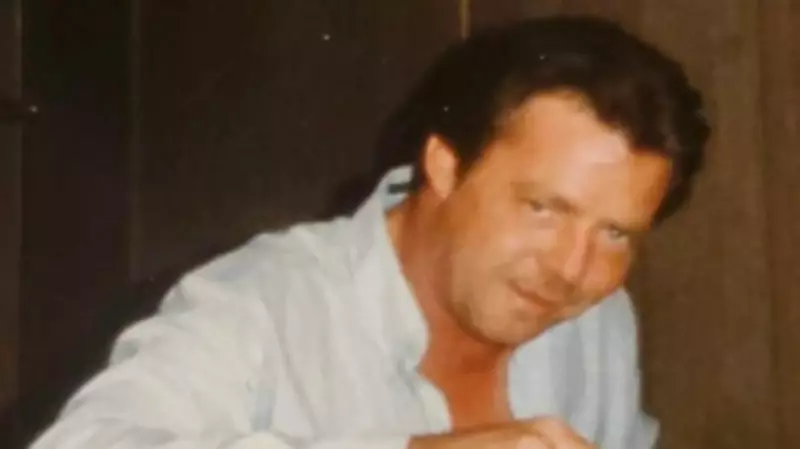
For years, I possessed a single photograph of my father, taken when he was seventeen or eighteen years old. The image showed him shirtless on a cluttered apartment couch, wearing a straw hat with a sly smile and strikingly bright sapphire-blue eyes that seemed to sparkle even through the faded print. A bowl of cereal and a bottle of vodka sat on the table beside him, creating ambiguity about whether it was morning or afternoon—a fitting metaphor for a life where days frequently blurred together.
Though that physical photograph eventually disappeared during my childhood moves, the mental image never left me. Neither did my burning desire to understand the man captured in that moment.

The Legal Severance and Childhood Realizations
In 1982, when I was twelve years old, my mother and future adoptive father hired a private detective to locate my birth father. They needed his signature to relinquish parental rights and finalize my adoption. The detective reported back that my father signed the papers gladly, without hesitation or resistance. He apparently had a new baby girl and was ready for a fresh start—signing away his rights to me was merely paperwork and a convenient way to avoid child support obligations.
In that moment, I learned three devastating truths:
- My father wasn't dead
- I had a sister somewhere in the world
- He didn't want me
That's when I began vocalizing my supposed indifference. Pretending I never wanted him either became my psychological defense mechanism—if I rejected him first, I could maintain some semblance of control over the narrative. Yet despite my protests, I thought about him constantly.
The Psychological Impact of Absence
Dreams and Public Searches
I developed an unconscious habit of scanning crowds in airports and shopping malls, wondering if any passing man might be my father. For years, I experienced recurring dreams where he would call me, and we'd have the father-son conversations I desperately craved. These dreams always took a dark turn—he would suddenly forget who I was or become angry about my call. Eventually, I trained myself to wake before reaching that painful conclusion, and later learned to avoid answering the dream phone altogether. One day, those dreams stopped entirely.
Fatherhood Awakens New Emotions
I never felt genuine anger toward my absent father until I became a parent myself. When my daughter was born, I realized I had no model for fatherhood—no blueprint to follow. This realization intensified with my son's arrival. The resentment grew as I navigated parenthood without guidance, figuring everything out through trial and error. For the first time, I felt real anger toward the man who had provided nothing but absence.
The Digital Discovery
Internet Searches and Shocking Revelations
When the internet became widely accessible, I began late-night searches for my father that consistently led nowhere. Years later, seeing someone with his name on television reignited my search efforts. This time, Googling his name produced a result I never anticipated—a listing on the Sex Offender Registry database.
My stomach dropped as I saw the entry. The birthdate was slightly off, but I reluctantly clicked the photograph. There he was—older, heavier, balding slightly, but with those unmistakable blue eyes. He was listed as a "violent sexual offender" wanted for parole violation, with his last known address being the streets of Los Angeles.
This revelation shattered any romanticized notions I had maintained about him being a wandering soul or misunderstood rebel. The reality was far darker—he was broken, possibly dangerous, and definitely lost.
Maternal Confirmation and New Fears
I sent the link to my mother, who confirmed it was indeed him. Her immediate response was protective: "Please don't ever think this means you'll become him. You aren't him." I hadn't considered that possibility until she voiced it, but I desperately needed to hear those words.

New questions emerged: What had he actually done? Who had he hurt? Was the daughter I'd heard about decades earlier among his victims? If so, I felt I had failed this sister I'd never met but always felt protective toward.
The DNA Revolution and Family Connections
Genetic Testing Reveals Surprises
At that point, I stopped searching for him and began looking for my sister instead. As DNA test kits gained popularity, I obtained one for myself and my children. The results revealed more than just ethnic heritage—they showed living relatives. Right below my mother and children appeared a match labeled "half-brother," then another half-brother, followed by two nieces and several more connections, though most accounts were private.
Finding Christy and Learning the Truth
Through messaging and Facebook research, I connected with a cousin whose father was my father's brother. Eventually, I found my sister—Christy, the oldest of three children including the two brothers from my DNA results. None of them had ever heard of me.
Christy and I messaged constantly during our first day of contact. I had waited forty years to find her; she had just learned of my existence. She shared that our father had been present during her early childhood—they had run carnival games and lived in Southern California together.
The Tragedy That Changed Everything
Then came the family tragedy: Christy's baby sister died of SIDS. Our father had rushed the infant to the hospital, but during the panic of trying to call for help, a miscommunication led authorities to believe he had harmed her. Police took him into custody as he tried to get his daughter into the emergency room.
Christy maintained he hadn't hurt her sister, but the damage was irreversible. The baby was gone, and our father's life unraveled completely. While he had always dabbled in drugs, they now became central to his existence. To support his addiction, he turned to petty crimes—small-time thefts and burglaries just sufficient to fund his drug habit.
The Final Downward Spiral
The definitive collapse occurred while he worked at a carnival. According to Christy's account, our father accidentally brushed against a teenage girl's chest. She and her mother returned with police. Despite his wife and others arguing it was an innocent accident, he was arrested on sexual assault charges. He pleaded guilty primarily to secure release from jail and regain access to drugs, resulting in his sex offender registration. Soon after, he vanished.
By the time I found Christy, no one had seen or heard from our father in years. She knew about his sex offender status but not the "violent" designation. To her knowledge, he had never been violent—just deeply troubled.
Navigating Complicated Family Dynamics
The Challenge of Connection
Christy welcomed me into her world, but our connection proved challenging. My physical resemblance to our father was striking, and I wanted to discuss him extensively—asking questions, filling informational gaps, making sense of our shared history. For Christy, this meant reopening traumatic wounds. The man I spent a lifetime searching for had been the source of her trauma.
I didn't realize how overwhelming this was for her until our communication slowed and eventually stopped. I came to understand that she never had the luxury of inventing stories about our father as I did. She lived with the unvarnished truth daily.
The Final Chapter and Renewed Connection
Several years later, Christy messaged with news that our father had died in a nursing home in Sun City, California, at age seventy-three. She had been listed as next of kin and received the call from the facility. Somehow, despite knowing how to contact her, he died alone. We don't know where he had been after burning his last familial bridge—borrowing money from his brother, the final family member to take him in.
Christy and I eventually reestablished our relationship at a more measured pace. We still haven't met in person, but I'm immensely proud of my little sister—she's an amazing mother to two wonderful children. I've spoken with her brothers several times, though we haven't connected as deeply as Christy and I have. After all, I'd felt protective of her since age twelve. We were connected long before she knew I existed.
Lessons from Absence
Breaking the Cycle
While I never met my father, I learned invaluable lessons from him—primarily about what not to do. I never left my children, even during difficult times. I showed up consistently: every first and last day of school, every soccer, baseball, football, and volleyball game. Countless hours and miles traveled for school events, birthday parties, and daily commitments—thirty-five years of prioritizing parenting above all else.
Knowing what it felt like to miss that parental presence in my life ensured I never missed a game, play, or recital. I witnessed everything, determined to provide what I never received.
The Expanded Family Picture
Through additional DNA matches, I discovered three more of my father's children. None had ever known his identity. In total, there are seven children—four of us who always wondered what our father was truly like, and three who never had that opportunity.
We "wonderers" had the freedom to create our own narratives. Some days, I even pretended he was a hero. Those who actually knew him didn't have that luxury. They experienced loving him, and on good days, he was indeed a hero simply by being present as a father. But they also endured losing him and understood precisely why—a pain that undoubtedly cuts deeper than any wondering ever could.
The Paradox of Loss
I've come to realize that sometimes we're certain about what we want or need, and not receiving it feels like a crushing loss. But occasionally, that very loss becomes an unexpected gift—a catalyst for growth, understanding, and breaking destructive cycles.
Some names and identifying details have been changed to protect privacy. Chuck Hawley is a children's author, public speaker, and mental health advocate whose work focuses on emotional understanding and compassion.