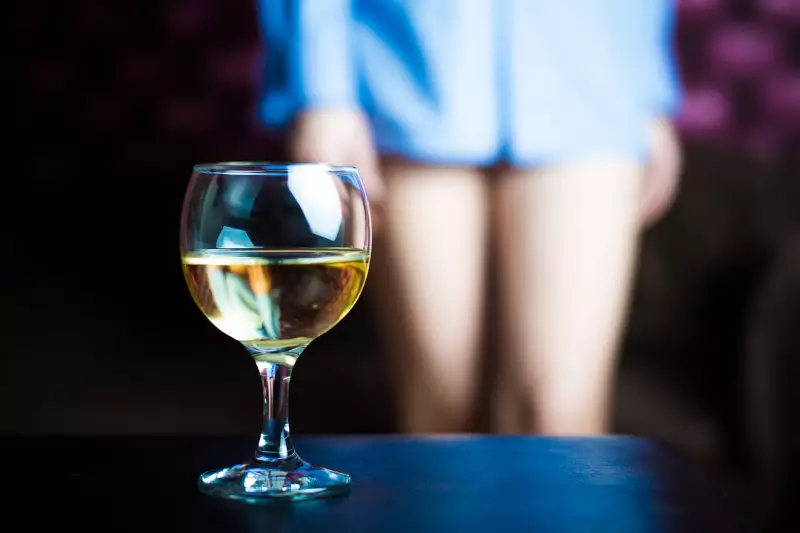
For many, a glass of wine or a cocktail has long been a prelude to intimacy, a social lubricant believed to spark desire and boost confidence. However, emerging insights from sexologists and new survey data suggest this common practice may be a pleasure paradox, enhancing the lead-up while undermining the main event.
The Data on Drinking and Desire
A recent survey conducted by the dating app Flirtini, which polled 2,000 daters, sheds light on alcohol's complicated role. The findings reveal a split: just over half (52%) reported feeling turned on more easily after a drink. Yet, when it comes to the climax, the story changes. While 46% said they experienced better or faster orgasms while drinking, the majority found that alcohol did not improve orgasm quality and, for some, actively interfered with it.
This contradictory effect stems from alcohol's fundamental nature as a depressant, explains Dr. Carol Queen, a staff sexologist at Good Vibes. "It lowers inhibitions, allowing us to respond with excitement... and it also tamps down nerve and other bodily responses that are the basis of arousal and sexual functioning," Queen states. In essence, the very substance that makes us feel loose and ready can also slow the neural and physical processes essential for peak sexual response.

How Booze Can Become a Barrier
The impact is physical and psychological. For people with penises, alcohol can contribute to erectile difficulties. For everyone, it can dull the nuanced communication vital for great sex. "With booze, it’s easy to miss your partner’s cues," says Lilly Sparks, founder of the ethical porn site Afterglow. "Especially when it comes to reading body language, responding in real time, and staying connected."
Personal accounts echo this. The article's author, Simone Paget, reflects on her own past reliance on alcohol, noting it often led her to ignore her own boundaries, creating a cycle of regret that then required more drinking to numb. "Sober sex is often more satisfying because you’re more present in your body and more attuned to someone else’s," Sparks confirms.
Rethinking the Pre-Sex Ritual
Experts are careful to note that not all drinking is problematic. Dr. Tara Suwinyattichaiporn, a Kinsey-certified sexologist, distinguishes between a relaxing glass of wine and heavy drinking used to muster confidence. The key question for individuals is: What is the alcohol hiding?
"Is it performance anxiety, nerves or an unresolved trauma that needs healing?" asks Queen. "Substances, including alcohol, are not the only way to deal with nerves, shame or other kinds of distress." She and other professionals suggest that seeing a sex therapist can help address these underlying issues directly, rather than masking them.
The collective advice points toward a clearer, more connected intimate experience. "You won’t know what is possible if you keep your sexual experiences infused with alcohol, but you can learn to appreciate and revel in sex without it," Queen concludes. Embracing sobriety, even temporarily, may not only improve sexual satisfaction but also foster healing and a deeper, more authentic connection with oneself and one's partner.