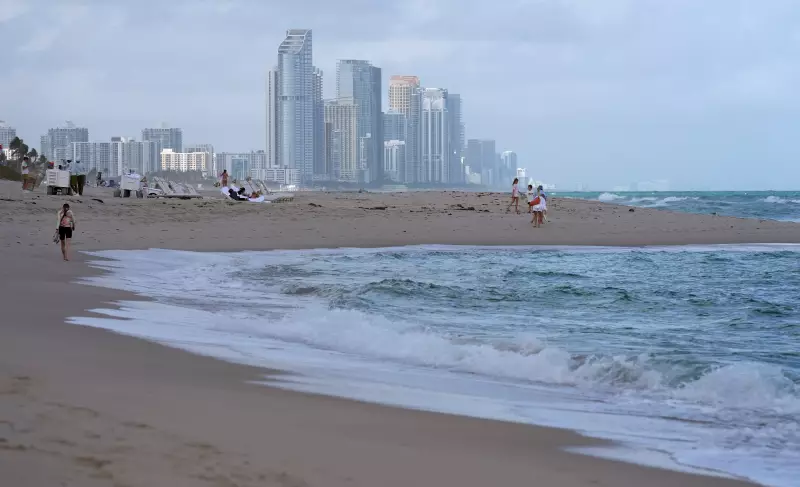
The familiar migration pattern of Canadian snowbirds is undergoing a significant shift this winter. In the wake of recent geopolitical tensions, many are opting to bypass traditional Caribbean hotspots for destinations further afield.
Geopolitical Tensions Reroute Winter Travel
The catalyst for this change stems from a U.S. military attack on Venezuela earlier in the season. This event has created a ripple effect of uncertainty across the broader Caribbean region, prompting caution among Canadian travellers. Instead of shorter flights to islands like Cuba, the Dominican Republic, or Jamaica, a growing number are booking longer-haul trips to places in Europe, Asia, and the South Pacific.
Travel industry analysts note a marked increase in inquiries and bookings for destinations such as Portugal, southern Spain, Thailand, and Australia. "Going further afield" has become a common strategy for those seeking a warm escape without the perceived risk associated with the current Caribbean climate. This represents a notable departure from decades of established travel routines for the snowbird community.

The Ripple Effects on Travel and Culture
This behavioural shift is more than just a change in destination; it impacts the very fabric of snowbird culture. Traditional winter enclaves in Florida, Arizona, and Caribbean resorts, where Canadians have long established communities, may see fewer familiar faces. The social networks and economic support these seasonal residents provide to local businesses in those areas could be affected.
Conversely, new destinations are experiencing an unexpected influx of Canadian visitors during the Northern Hemisphere's winter months. This trend highlights how global political events can directly influence personal lifestyle choices and local economies thousands of miles away. The snowbird tradition, a staple of Canadian retirement for generations, is proving to be adaptable in the face of a changing world.
Looking Ahead for Winter Migrants
Whether this shift becomes a permanent fixture or a temporary reaction remains to be seen. Travel experts suggest that the longevity of this trend will depend heavily on the stability of international relations in the Americas. For now, the classic image of Canadians flocking to the Caribbean each winter is being redrawn on a much larger global map.
The adaptation demonstrates the resilience and flexibility of Canadian travellers. However, it also underscores the interconnected nature of modern life, where decisions made in Washington or Caracas can directly alter vacation plans in Toronto, Vancouver, and Montreal. The snowbird culture is taking the temperature of the current climate, and for now, it's reading a need for greater distance.