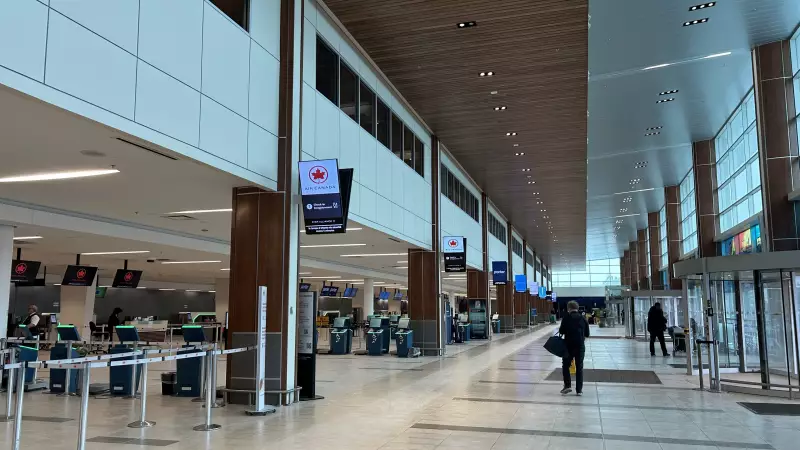
In the wake of recent U.S. military strikes against Venezuela, a sense of caution is spreading among Canadian travelers considering Caribbean getaways. The geopolitical escalation in the region has prompted some to reconsider their winter travel plans, fearing potential instability or ripple effects across neighboring nations.
Geopolitical Tensions Spark Travel Anxiety
The incident that triggered this wave of concern occurred when the United States launched an attack on Venezuelan targets. In the aftermath, Cuba publicly released details confirming that 32 of its officers were killed during the operation, a move that underscored the regional reach and human cost of the conflict. The U.S. government has since defended its military actions. This direct confrontation has cast a shadow over the perceived stability of the broader Caribbean basin, a popular destination for sun-seeking Canadians escaping the winter cold.
While no official travel advisories specifically warning against Caribbean travel have been issued by Global Affairs Canada in direct response to these events, the news has undoubtedly influenced personal risk assessments. Travelers are now weighing the allure of pristine beaches against the unpredictable nature of regional politics. The situation is particularly sensitive given the Caribbean's proximity to Venezuela and the complex web of alliances within the region.

Broader Context and Economic Implications
This travel hesitation emerges amidst other significant global headlines. Notably, stock markets in both Canada and the U.S. reached new highs, with analysts citing a continued focus on the Venezuela situation and its implications for global oil markets. Former Bank of Canada governor Mark Carney commented that Canadian oil would remain competitive following the ouster of Venezuelan leader Nicolás Maduro, highlighting the economic undercurrents of the crisis.
The political fallout continues domestically as well. Conservative leader Pierre Poilievre's expressed support for the arrest of Maduro has been criticized by some, like commentator Sharan Kaur, who warned it sets a "dangerous precedent." Furthermore, B.C. Premier David Eby entered the energy debate by suggesting Canada should focus on building refineries instead of new pipelines, a statement made amid ongoing uncertainty in the oilsands sector.
Navigating Uncertainty for Future Travel
For now, the impact on Canadian travel to the Caribbean remains a matter of personal choice rather than government directive. Tourism boards for islands distant from the Venezuelan coast are likely to emphasize their safety and stability. However, the episode serves as a stark reminder for travelers to stay informed through official government travel advice, consider travel insurance that covers trip cancellation due to political unrest, and monitor the situation closely in the weeks leading up to any planned departure.
The long-term effect on Caribbean tourism from the Canadian market will depend heavily on how quickly the situation de-escalates and whether the conflict remains contained. For many Canadians, the decision will come down to a balance between their appetite for risk and their desire for a winter escape.