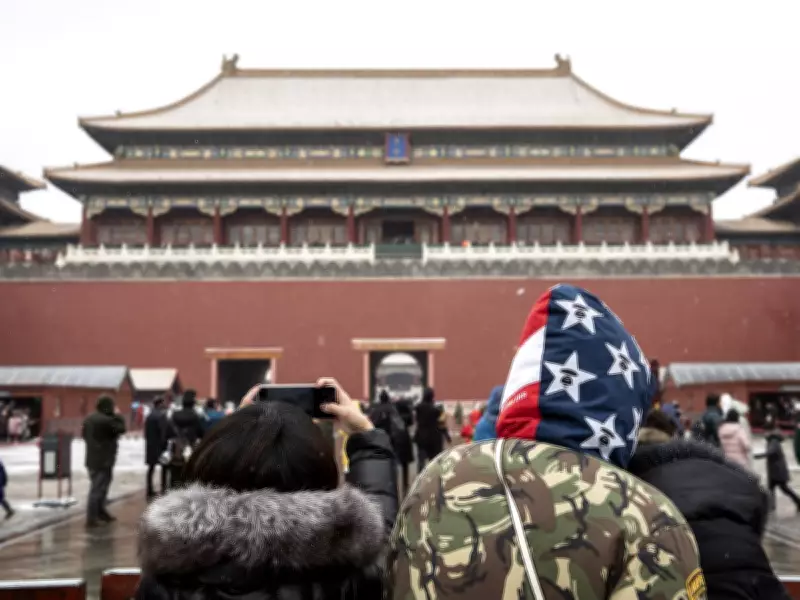
China's Tourism Boom Positions It to Surpass U.S. as Global Leader
China is accelerating toward becoming the world's premier tourism economy within the next few years, as a significant decline in foreign visits hampers the United States' longstanding dominance. According to new data from the World Travel & Tourism Council (WTTC) and its lead research partner Chase Travel, the Chinese travel and tourism sector expanded by 9.9 percent in 2025, more than double the global average and vastly exceeding the 0.9 percent growth recorded by the U.S.
Divergent Trends in Foreign Visitor Spending
A key driver of this shift is the contrasting patterns in international tourist expenditures. In 2025, spending by foreign tourists in China increased by over 10 percent, while outlays by visitors to the U.S. fell by nearly five percent. This disparity underscores a broader realignment in global travel preferences and economic dynamics.
Gloria Guevara, President and Chief Executive of the WTTC, highlighted the trajectory in an interview, stating, "While the U.S. is shrinking, China is rising at a fast rate. If this continues, in three to four years it will close in on the U.S." She further projected that if both nations maintain their current growth rates, China could emerge as the largest tourism economy globally by the end of this decade.

Challenges Facing U.S. Tourism
The United States, historically the top vacation destination with attractions like Disney World and Times Square drawing millions, has experienced a sharp reduction in foreign arrivals. Factors contributing to this decline include tighter immigration restrictions and escalating geopolitical tensions. Data from the International Trade Administration reveals that approximately 68 million people visited the U.S. from abroad in 2025, marking a 5.5 percent decrease from 2024.
While events such as the FIFA World Cup are anticipated to provide a temporary boost to the U.S. tourism sector this year, potential disruptions from global conflicts, like the Iran war, could impede a more substantial recovery. In contrast, China's tourism infrastructure and policies appear to be fostering a more resilient and attractive environment for international travelers.
Economic Impact and Future Projections
In terms of economic contribution, the U.S. travel and tourism industry added US$2.6 trillion to global GDP in 2025, whereas China contributed US$1.8 trillion. Despite the current gap, the rapid growth rate of China's sector suggests a narrowing difference that could redefine global tourism rankings in the coming years. This shift reflects broader trends in economic power and international mobility, with China leveraging its expanding middle class and enhanced travel amenities to capture a larger share of the global market.
As the landscape evolves, stakeholders in both countries are closely monitoring these developments, which could have profound implications for employment, investment, and cultural exchange worldwide. The ongoing transformation highlights the dynamic nature of the travel industry and its sensitivity to policy, economic conditions, and global events.