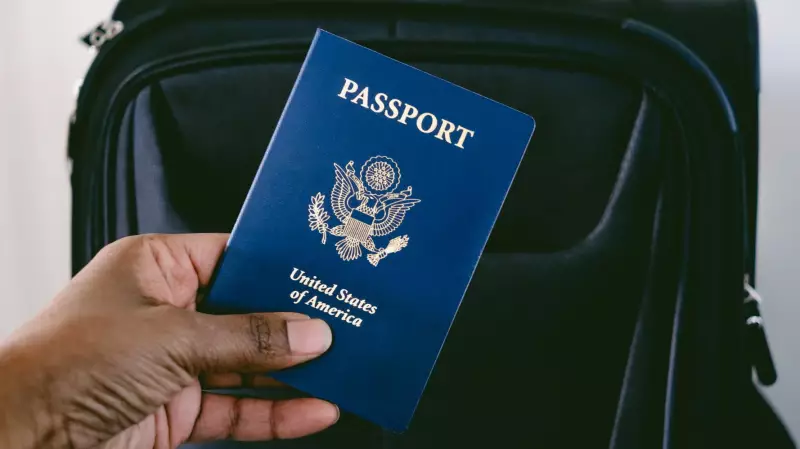
When Your Passport Becomes a Travel Liability
The classic excuse "the dog ate my homework" might draw sceptical smiles, but "the dog ate my passport" represents a genuine travel emergency that can ruin international vacations. Many travellers have experienced the horror of arriving at the airport only to discover their passport has been damaged beyond acceptance.
According to travel experts, family pets aren't the only threat to this crucial document. Common household accidents like spilled beverages, laundry mishaps, or unexpected rainstorms can equally compromise your passport's validity.
What Exactly Counts as Passport Damage?
David Alwadish, founder and CEO of passport service ItsEasy.com, explains that damaged passports create significant security concerns. "Having a damaged passport can cause delays at border crossings by raising suspicion of tampering or fraud," he noted. "When a passport is damaged, it becomes difficult for immigration officials to verify the traveler's identity, particularly when important data becomes unreadable or unscannable."

Both Canadian and international authorities maintain strict policies regarding damaged travel documents. Sally French, NerdWallet Travel Expert and Smart Travel Podcast co-host, emphasizes that even technically functional passports can be rejected. "Even if it technically scans, an airline agent or border official can refuse it if they suspect tampering or think it won't be machine-readable," she warned.
Normal Wear Versus Unacceptable Damage
Understanding the distinction between ordinary wear and disqualifying damage proves crucial for frequent travellers. Alwadish clarifies that "normal wear and tear" includes natural aging like bending from back-pocket storage or page fanning from repeated opening. "Light creasing from travel is common as long as the information, security features, and passport photo remain intact," he added.
French points to acceptable minor issues like scuff marks, bent corners, or small cover marks. However, she identifies several red flags: "Once there's water damage, torn or missing pages, peeling laminate, or an unreadable photo, it's considered damaged and could get you denied at the airport."
The official guidelines specify that any compromise to the passport's original condition or identity information constitutes damage. This includes:
- Water stains and liquid damage
- Ripped or missing pages
- Unauthorized markings or notations
- Hole punches or significant bites
- Damage to the front cover
- Separation of the cover from the photo page
The Replacement Process for Damaged Passports
Experts unanimously advise against gambling with questionable passports. "If your passport is in that gray area, don't gamble on it," French recommends. "You'll need to apply for a replacement passport even if your old one is still valid."
For Canadians facing this situation, the standard renewal process won't suffice. Alwadish describes renewing a damaged passport as "difficult and like Russian roulette because the outcome is uncertain." He particularly cautions against mail-in renewals when time is limited, noting that rejected applications can create weeks of delays.
The proper replacement procedure requires:
- Submitting a signed statement explaining the damage
- Completing the appropriate application form with all required fees
- Providing proof of citizenship and new passport photos
- Surrendering the damaged passport
Alwadish emphasizes the importance of turning in damaged passports: "The authorities don't want people simply discarding damaged passports on their own because they could end up in the wrong hands. Instead, they require that anyone with a damaged passport turn it in with their new passport application to ensure the old one is officially canceled and cannot be misused."
Canadian travellers must visit a passport office in person to complete this process. Those with imminent travel plans can request expedited service, and same-day appointments may be available for travellers with proof of upcoming flights.

The key takeaway for Canadian travellers remains clear: regularly inspect your passport for damage, and when in doubt, begin the replacement process well before your travel dates to avoid disappointing disruptions to your international adventures.