Exploring the Roots of Mexican Cuisine Through Food Tours in Mexico City and Oaxaca
In January, happiness can be found under a busy overpass in Mexico City's Azcapotzalco neighborhood, where food critic Mia Stainsby discovers the authentic flavors of traditional Mexican cuisine. Stainsby's journey takes her through vibrant street stalls, humble cafes, and historic establishments, offering a deep dive into the culinary DNA of Mexico's most celebrated dishes.
Traditional Drinks and Historic Neighborhoods
The adventure begins with pulque, a once-sacred Aztec beverage made from fermented maguey sap. At a 75-year-old family-run stand in Azcapotzalco, Stainsby samples this milky, slightly foamy drink that's experiencing a modern resurgence. The neighborhood itself, whose name means "the place of ants" from an Aztec legend about ants creating corn, provides the perfect backdrop for understanding how history shapes Mexican food culture.
The pulque stand represents three generations of family tradition, with the current operators rising at 5 a.m. daily to prepare flavors ranging from chocolate and coconut to walnut and berries. This commitment to preserving ancient methods contrasts with the beverage's troubled history, when beer companies deliberately damaged its reputation in the last century.

From Street Food to Award-Winning Restaurants
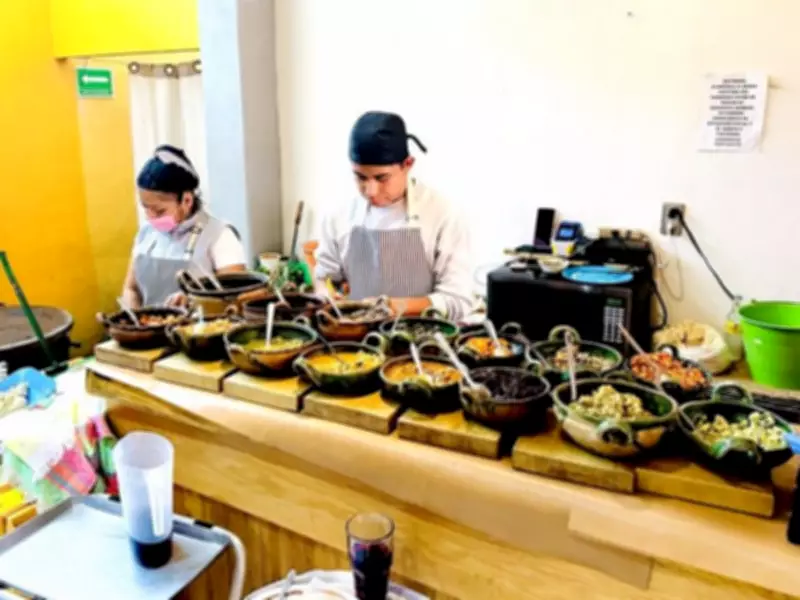
Stainsby's tour with Culinary Backstreets connects humble street food with sophisticated restaurant cuisine. Before the pulque tasting, the group enjoys a lavish Mexican breakfast at Nicos restaurant, a 70-year-old establishment where a mother-son team has earned a Lifetime Achievement Award from Latin America's 50 Best Restaurants for safeguarding Indigenous foods.
The restaurant is both Michelin-recommended and a World's 50 Best Discovery, demonstrating how traditional techniques can achieve international recognition. The meal begins with café de olla, coffee brewed in clay pots with cane sugar, cinnamon, cloves and star anise—the same beverage that fueled Mexican revolutionaries fighting a 30-year dictatorship.
Traditional Dishes and Cultural Celebrations
Among the breakfast offerings is an enchilada with chicharron and cactus leaves in green sauce, showcasing the complex flavors of Mexican cooking. The group also samples Rosca de Reyes, the wreath-shaped Three Kings' bread traditionally served on Epiphany (January 6) to commemorate the visit of the Wise Men to baby Jesus.
This bread contains hidden plastic baby Jesus figures, and finding one means hosting Candlemas dinner on February 2. In a remarkable coincidence, Stainsby discovers two plastic figures in her small slice, creating a humorous dilemma about potentially hosting two dinners.
Oaxaca's Culinary Treasures
The tour continues in Oaxaca, where Stainsby visits establishments like Tacos Chayito, run by a mayora (respected elder woman). Here she samples traditional dishes including:
- Gorditas from street stalls
- Flautas from bare-bones cafes
- Birria tacos from street carts
These experiences demonstrate how Oaxaca maintains its culinary traditions while adapting to modern times. The tours reveal how the sophisticated dishes served in posh restaurants connect directly to these humble street food origins, creating a complete picture of Mexican food culture.
Through these culinary adventures, Stainsby discovers that understanding Mexican cuisine requires exploring both its ancient roots and contemporary expressions. From 2,000-year-old beverages to modern interpretations of traditional dishes, the food tours offer a comprehensive education in one of the world's most vibrant culinary traditions.