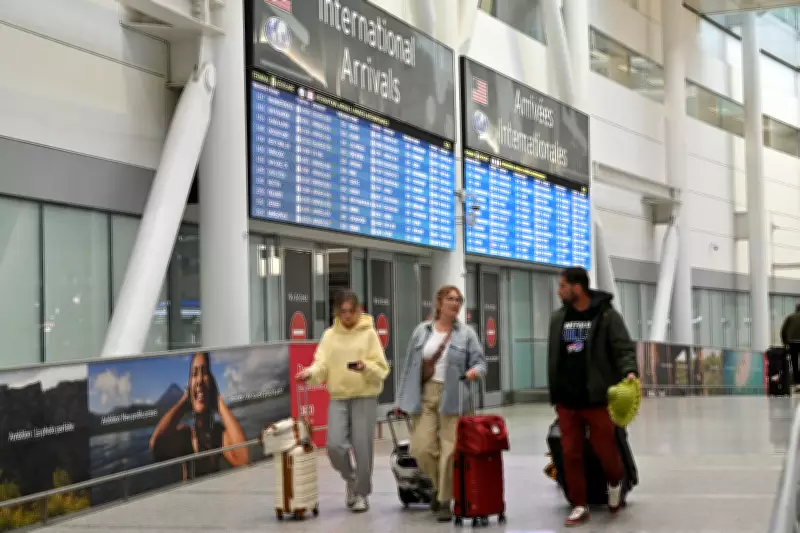
European Jet Fuel Shortage Concerns Lead Canadians to Rethink Travel
Fears of an impending jet fuel shortage in Europe are causing Canadian travelers to reconsider their upcoming travel plans. European airlines are warning of potential fuel shortages in the coming weeks if the critical Strait of Hormuz shipping route does not reopen soon. This situation has sparked anxiety among Canadians planning trips to Europe, with many now evaluating alternative destinations or delaying their travel.
Strait of Hormuz Closure Threatens Aviation Fuel Supply
The Strait of Hormuz, a vital maritime chokepoint for global oil shipments, has been closed due to geopolitical tensions. This closure is disrupting the flow of crude oil, which is essential for producing jet fuel. European airlines rely heavily on imports through this route, and the prolonged closure could lead to significant fuel shortages. Industry analysts predict that if the situation persists, airlines may be forced to cancel or reduce flights, impacting travel schedules worldwide.
Canadian travelers are particularly concerned as Europe remains a popular destination for vacations, business trips, and family visits. Many have already booked flights and accommodations, but the uncertainty is prompting them to seek refunds or change their itineraries. Travel agencies in Canada report a surge in inquiries about alternative travel options, including domestic destinations or other international regions less affected by the fuel crisis.

Impact on Airline Operations and Passenger Confidence
European airlines are actively monitoring the situation and developing contingency plans to mitigate the impact of potential fuel shortages. These measures may include optimizing flight routes, using fuel reserves, and prioritizing essential routes. However, passengers are advised to stay informed about possible flight changes or cancellations.
The uncertainty has eroded passenger confidence, with some Canadians opting to postpone travel until the situation stabilizes. This trend could have broader economic implications, affecting tourism revenue in both Europe and Canada. Experts suggest that travelers consider purchasing travel insurance that covers disruptions due to fuel shortages or geopolitical events.
Broader Context and Traveler Advice
The jet fuel shortage concerns come amid other global events, such as climate change studies indicating longer summers in Canada and beyond, and ongoing discussions about tourism taxes in European destinations. For Canadians, this adds another layer of complexity to travel planning.
To navigate these challenges, travelers are encouraged to:
- Check with airlines regularly for updates on flight status and fuel-related policies.
- Explore flexible booking options that allow changes without hefty fees.
- Consider alternative travel modes, such as trains or cruises, for European itineraries.
- Stay updated on geopolitical developments that might affect fuel supply chains.
As the situation evolves, Canadian authorities and travel associations are likely to issue further guidance. For now, the potential jet fuel shortage in Europe serves as a reminder of how interconnected global events can directly impact personal travel decisions, urging Canadians to plan with caution and flexibility.