Navigating U.S. Airport Delays: Official Guidance for Canadian Travelers
As persistent delays plague airports across the United States, Canadian travelers flying through American hubs are facing significant disruptions. Officials have issued updated advice to help mitigate the impact and ensure smoother journeys for those transiting through the U.S.
Understanding the Current Situation
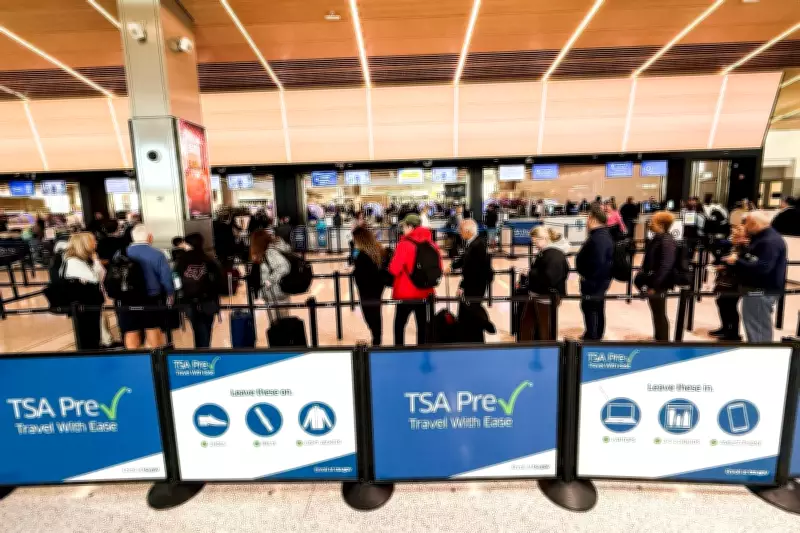
Airport congestion and delays have become increasingly common at major U.S. airports, affecting both domestic and international flights. Recent reports highlight lengthy security lines and operational challenges, particularly at busy terminals like Newark Liberty International Airport. These issues are compounded by staffing shortages, increased travel demand, and logistical bottlenecks that have created a perfect storm for aviation delays.
Official Recommendations for Travelers
Transportation Security Administration (TSA) and customs officials emphasize several key strategies for Canadian travelers:

- Arrive Extra Early: Travelers are advised to arrive at least three hours before domestic flights and four hours before international departures when flying through U.S. airports.
- Utilize Mobile Resources: Download airline and TSA apps for real-time updates on security wait times and flight status changes.
- Prepare Documentation: Ensure all travel documents, including passports and visas, are readily accessible to expedite security and customs processing.
- Pack Strategically: Follow TSA guidelines for carry-on items to avoid additional screening delays at security checkpoints.
Proactive Measures for Smoother Transit
Beyond basic preparation, officials recommend several proactive steps:
- Consider enrolling in trusted traveler programs like TSA PreCheck or Global Entry to access expedited security lanes.
- Monitor weather conditions and airport advisories for your departure and arrival cities, as these can significantly impact operations.
- Build buffer time into connecting flights, especially when transferring between terminals or airports.
- Stay informed about alternative routing options in case of major disruptions or cancellations.
The Broader Context of Aviation Challenges
These airport delays occur within a complex aviation landscape where multiple factors converge. Increased post-pandemic travel demand has strained airport infrastructure and staffing resources. Simultaneously, evolving security protocols and technological upgrades at some facilities have created temporary operational hurdles. Industry analysts note that these challenges are particularly pronounced at major international gateways that serve as critical transit points for Canadian travelers heading to global destinations.
While there is no immediate resolution in sight for these systemic issues, following official guidance can significantly reduce travel stress and uncertainty. Canadian travelers are encouraged to remain flexible and prepared as airport conditions continue to evolve.