Residents across Nova Scotia are facing a harsh winter reality as escalating heating bills stretch household budgets to the breaking point. Many in the Maritime region are being forced into an impossible choice between financial stability and staying warm in their own homes.
Financial Strain Hits Home
The situation has led to a significant surge in applications for financial assistance. A key resource for those in need is the Salvation Army's Good Neighbour Energy Fund. This critical program is designed to provide emergency support to families and individuals who cannot afford their heating bills, often serving as a last resort to prevent utility disconnections during the coldest months.
While specific application numbers for the current season were not detailed in the initial report, the trend highlights a broader cost-of-living crisis impacting Atlantic Canada. The financial pressure is not isolated; it compounds with other household expenses, creating a precarious situation for low and fixed-income earners.

A Broader Context of Challenges
The struggle with heating affordability in Nova Scotia occurs alongside other notable regional events. In a related economic development, the Nova Scotia lobster industry received positive news with the suspension of a Chinese tariff, a move that brought surprise and relief to the sector.
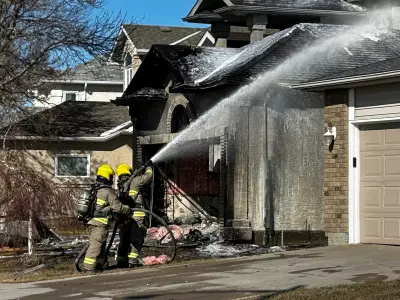
Furthermore, communities in rural Cape Breton are dealing with the aftermath of a devastating fire that destroyed two homes, underscoring the variety of crises facing residents. These parallel stories paint a picture of a region grappling with both economic and emergency challenges as it moves through January of 2026.
The Human Impact and Looking Ahead
The increasing reliance on charitable funds like the one operated by the Salvation Army signals a gap that existing government supports may not be fully bridging for some citizens. The fundamental need for safe, warm shelter during a Canadian winter makes heating not a luxury, but an essential service.
As energy prices continue to fluctuate, the demand for such assistance programs is likely to remain high. The situation calls attention to the ongoing need for sustainable, long-term solutions for energy affordability in the province, ensuring that no resident is left choosing between heating their home and meeting other basic needs.