Mastering the Art of Antarctic Camping: A Guide to Surviving the Frozen Frontier
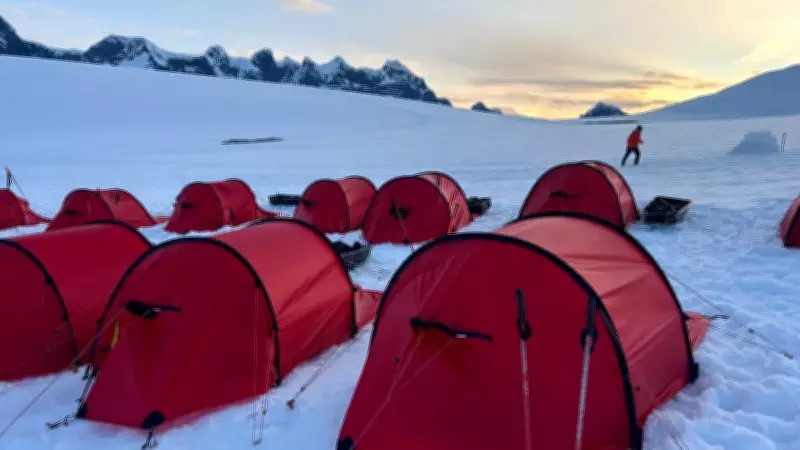
Overnight camping on the Antarctic ice is a formidable challenge reserved for the most intrepid adventurers. Recently, my husband and son—both seasoned campers—embarked on such an expedition, emerging safe and warm thanks to the meticulous guidance of HX Expeditions, a company with 130 years of expertise in Antarctic travel. While I opted out of the overnight stay, I attended their comprehensive pre-camping briefing, gaining invaluable insights into transforming a night in one of Earth's most extreme environments from a daunting ordeal into an exhilarating experience.
Insights from a Polar Pioneer
Leading the briefing was Karin Strand, Vice President of Expedition Development at HX and a globally recognized explorer with over 150 visits to Antarctica. As chair of the executive committee at the Association of Arctic Expedition Cruise Operators (AECO), Strand shared her wealth of knowledge, emphasizing that while specialized gear can be costly, investing in quality equipment is non-negotiable when facing life-threatening cold. Her advice focuses on making extreme cold-weather camping not only tolerable but genuinely enjoyable, without endorsing specific products unless noted.
Essential Gear for Sub-Zero Survival
Insulated Sleeping Pad: A critical first line of defense, an insulated sleeping pad does more than provide comfort—it shields you from the ice's heat-draining properties. Strand explains, "Insulation from the ground is critical, where the ice beneath you can rapidly drain body heat." The Nemo Equipment Tensor ultralight insulated sleeping pad is praised for its lightweight design and effective insulation, with reviewers noting its warmth and quiet, non-crinkly material.

Roomy Sleeping Bag: In frigid conditions, a suitable sleeping bag is indispensable. Strand advises opting for bags with ample interior space to allow for layering, rather than restrictive mummy-style designs. While HX uses custom bags, options like the Sea to Summit Boab synthetic 15F sleeping bag offer water resistance and wind protection, though it may require a liner for Antarctic extremes. For deeper cold, the Sea to Summit Spark 0F down sleeping bag provides superior warmth.
Sleeping Bag Liner: Adding a liner can significantly boost warmth. Strand highlights its importance, and personal experience with the Sea to Summit Reactor insulated liner—effective in freezing desert nights—confirms its utility in Antarctic-like conditions, with users reporting comfort in temperatures as low as -25 degrees.
Camping Quilt: Though not used on the Antarctic trip, a lightweight quilt like the Rumpl original puffy blanket offers versatile insulation, either inside the sleeping bag or beneath it for extra ground protection, valued for its warmth and portability.
Shelter and Clothing for Extreme Elements
Streamlined Tent: Strand notes that warmth in extreme cold hinges on protection from wind and moisture, inspired by early explorers like Ronald Amundsen who prioritized simplicity. While HX's proprietary tents aren't available, models like the Whiteduck Regatta canvas bell tent provide waterproof, windproof shelter with options for wood stoves in permissible areas.
Footwear and Socks: Compliance with environmental guidelines is mandatory in Antarctica, with operators like HX providing specialized boots. For other cold climates, insulating, waterproof boots like the Danner Mountain 600 Leaf are recommended, paired with a dual-sock system of thin and thick layers, such as Darn Tough Vermont's merino wool hiking socks for warmth without bulk.
Head and Hand Protection: A warm hat is essential to prevent heat loss, with options like the Smartwool thermal merino reversible cuffed beanie offering lightweight warmth. For dexterity in tasks like tent setup, layered gloves like The North Face Insulated Apex Etip gloves provide insulation and water resistance without sacrificing movement.

Neck and Base Layers: Scarves or balaclavas, such as the Smartwool thermal balaclava, seal in warmth and protect against wind. Base layers in merino wool, like Smartwool classic all-season sets, are crucial for retaining heat close to the skin, with users attesting to their comfort in polar conditions.
Mid and Outer Layers: Insulating mid-layers, such as the Fjällräven Abisko Trail fleece jacket, create a warm air buffer, while waterproof, windproof outer layers like The North Face McMurdo jacket or Arctic insulated parka defend against moisture and wind, essential for managing extreme cold.
Insulated Pants: Over base layers, waterproof and wind-resistant pants like Fjällräven's Keb hiking trousers offer mobility and protection, with insulated options available for added warmth in sleeping or active scenarios.
Conclusion: Preparedness for Polar Adventures
Camping in Antarctica demands rigorous preparation and high-quality gear, as underscored by Karin Strand's expert guidance. From sleeping pads to layered clothing, each element plays a vital role in ensuring safety and comfort. While the investment is significant, the reward—a memorable and secure experience in one of the planet's most awe-inspiring landscapes—is immeasurable. Whether braving the Antarctic ice or other frigid environments, these tips empower adventurers to face extreme cold with confidence and enjoyment.