It recently struck me that throughout my extensive career writing about wine, I have never dedicated a column specifically to one of the world's most cherished grape varieties: sauvignon blanc. This oversight is surprising given the grape's global popularity and diverse expressions across different wine regions.
New Zealand's Aromatic Powerhouse
New Zealand has become synonymous with sauvignon blanc on the international stage, with producers like Kim Crawford and Oyster Bay moving millions of cases annually worldwide. The appeal lies not just in affordability but in a distinctive flavor profile that has captured mass admiration.
The classic New Zealand style presents as highly aromatic, with palate notes of gooseberries, green apple, lime, cut grass, and fresh herbs. The aroma has been famously described as "cat's pee on a gooseberry bush"—a characterization that sounds more off-putting on paper than it manifests in the glass.

While this vibrant style dominates New Zealand's wine landscape, certain wineries like Pegasus Bay and Clos St. Henri are crafting expressions that bridge the gap between the classic New Zealand profile and the more traditional styles of the Loire Valley, the ancestral home of sauvignon blanc.
The Loire Valley: Ancestral Home and Mineral Elegance
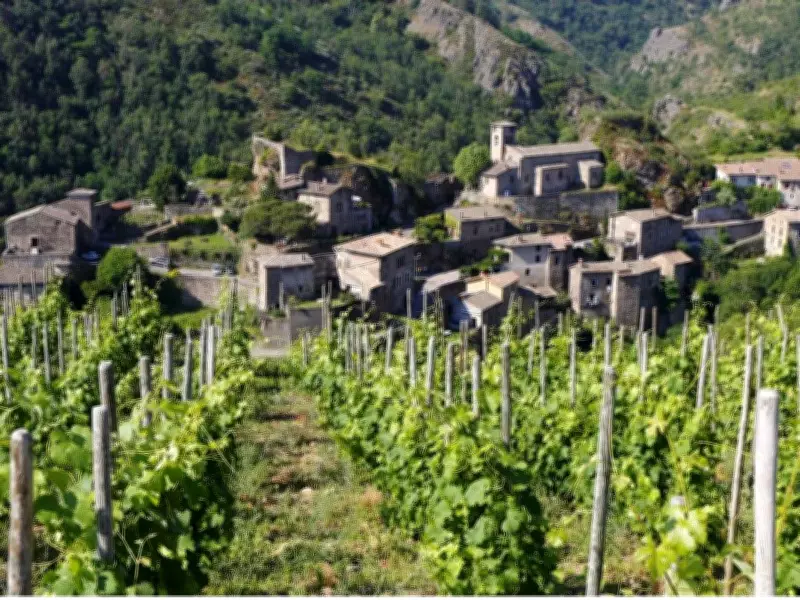
In France's Loire Valley, sauvignon blanc takes on a completely different character. Here, the wines are mineral-driven, flinty, and occasionally exhibit subtle smoky notes—reminiscent of struck flint rather than forest fire. They showcase racy acidity that makes them particularly refreshing.
Two famous appellations define the Loire style: Sancerre and Pouilly Fumé. These neighboring regions produce wines typically ranging from $40 to $100 per bottle. Sancerre is generally regarded as the more prestigious of the two, commanding higher prices due to both quality and branding factors. Interestingly, in markets like the United States, consumers have historically gravitated toward Sancerre simply because they found it easier to pronounce than Pouilly Fumé.
The Revolutionary Winemaker: Didier Dagueneau
While Loire sauvignon blanc is typically unoaked, one producer dramatically broke this mold. Didier Dagueneau, who tragically died in an ultralight plane crash in 2008, has since become legendary in wine circles. The former motorcycle racer had no formal wine training but developed a fierce determination to produce the world's finest sauvignon blanc.
Dagueneau converted his vineyards to biodynamic viticulture, employed oak aging, maintained low yields, and earned the nickname "the wild man of the Loire Valley." His wines represented a revelation—capturing the racy characteristics of Pouilly Fumé while adding unprecedented richness and opulence. Unlike conventional Loire sauvignon blanc meant for early drinking, Dagueneau's creations were built to improve with cellar aging.
Today, his son and daughter continue his legacy, though the wines have become increasingly rare and expensive. His cousin Serge Dagueneau produces more traditional but excellent wines available in many markets.
Bordeaux's Influence and Sweet Wine Mastery
If any region influenced Dagueneau's revolutionary approach, it was likely Bordeaux, where sauvignon blanc traditionally blends with sémillon (and sometimes muscadelle) to create crisp, rich dry whites. More famously, Bordeaux produces the world's most celebrated sweet wine: Sauternes.
Sauternes achieves its distinctive character through botrytis cinerea, or noble rot—a beneficial fungus that causes partial raisining of grape clusters, concentrating sugars while developing complex flavors of stone fruits, quince, raisin, and honey, all balanced by remarkable acidity.
These sweet wines are among the longest-lived on Earth. At a memorable tasting of Château d'Yquem (the world's most expensive and collectible sweet wine) hosted years ago by the Post Hotel, thirty-five vintages were presented. The oldest, from 1893, remained drinkable—a testament to longevity matched only by fortified wines like Port and Madeira.

Sauvignon blanc's versatility continues to captivate wine enthusiasts worldwide, offering everything from New Zealand's vibrant, fruit-forward expressions to the Loire Valley's mineral elegance and Bordeaux's age-worthy sweet masterpieces. Each region brings its unique terroir and winemaking philosophy to this remarkably adaptable grape, ensuring its place among the world's most beloved wine varieties for years to come.