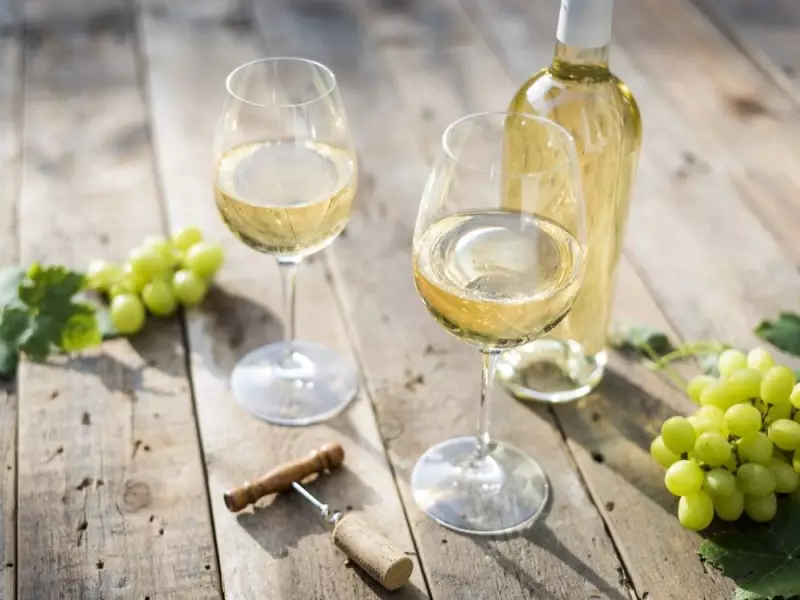
For wine enthusiasts planning their next vineyard visit, the experience is undergoing a profound transformation. According to industry observers like Anthony Gismondi, the era of the purely educational winery tour is fading. In a significant pivot, wineries across Canada are now channeling their efforts into crafting memorable, shareable experiences designed to captivate a new generation of visitors.
The End of the Lecture-Style Tour
Marketing experts advising wineries are delivering a clear message: today's consumers are no longer interested in being lectured during their visits. The traditional focus on vine clones, soil types, pruning methods, and irrigation is falling out of favor. Instead, guests are seeking engagement and enjoyment. This shift signals what some see as the "dumbing down" of wine culture, previously observed in retail, now arriving at the cellar door as wineries compete fiercely for attention.
The new model prioritizes experience over education. This could manifest as a luxurious helicopter tour over the estate, an exclusive tasting with the head winemaker in a opulent private room, or a simplified vineyard walk where technical jargon is minimized. Even discussions on sustainability and farming practices—such as organic, biodynamic, or regenerative agriculture—are being streamlined, focusing less on the granular details and more on the overarching story and feel.

Driving Forces Behind the Pivot
Several factors are compelling this strategic change. The pandemic initially supercharged wine sales, leading many wineries to expand production and vineyards. This expansion was followed by significant price hikes, which coincided with a decline in the trend of at-home drinking that peaked during lockdowns. The result has been a more challenging market environment, pushing wineries to innovate in how they attract visitors directly.
Furthermore, the rise of zero- and low-alcohol beverages presents both a challenge and an opportunity. While this market has long existed, it is now more organized and prominent. Wineries are advised to cater to abstainers or designated drivers by offering high-quality non-alcoholic options—such as exceptional coffee, tea, or crafted non-alcoholic "wines"—ensuring an inclusive experience for all guests.
Crafting the Next Generation of Winery Visits
So, what does this new focus on "experiences" actually look like? Wineries are getting creative, designing activities that are enjoyable, meaningful, and, crucially, shareable on social media platforms like Instagram and TikTok.
Proposed and existing experiential events include:
- Blending Workshops: Guests become a winemaker for a day, creating their own custom blend to bottle and take home.
- Harvest Participation: During the fall, visitors can pick grapes and even participate in traditional grape stomping.
- Vineyard Picnics: Where local liquor laws permit, scenic picnics among the vines offer a perfect photo opportunity.
- Agricultural Adventures: Tractor rides through the property or watching autonomous tractors at work provide a unique, tech-forward vineyard perspective.
As Anthony Gismondi noted in his analysis published on January 17, 2026, the ideal visit should weave learning into the experience subtly. The goal is for a winery's story to leave a lasting impression that not only encourages a purchase but also turns the visitor into a brand ambassador who shares their experience with friends.
While global wine consumption is stabilizing at an average of 20-30 litres per person annually, this shift towards experiential tourism represents a critical strategy for wineries in newer wine regions, like many in Canada, to build loyalty and stand out in a competitive landscape. The cellar door is no longer just a sales point; it's the stage for an unforgettable performance.