Alberta's Electoral Integrity at Stake Over Gerrymandering Concerns
Albertans and all Canadians enjoy the privilege of residing in a nation where free and fair elections are a fundamental cornerstone of democracy. When citizens cast their ballots, they trust that their votes hold genuine meaning, reflecting political preferences on an equitable playing field. This unwavering faith in the fairness of the electoral system is an essential pillar that upholds democratic principles across the country.
The Critical Role of Electoral Maps in Ensuring Fairness
Central to this concept of electoral fairness is the foundational ground upon which elections are contested, as depicted in electoral maps. Citizens rely on these boundaries to embody democratic ideals such as effective representation, accommodation of population growth, and the cohesion of similar communities. There is an inherent trust that these maps are never crafted to unfairly advantage one political party over another. This assurance allows voters to believe that their participation directly influences electoral outcomes, reinforcing the integrity of the democratic process.
In Alberta, the responsibility for delineating constituency boundaries is entrusted to an independent body known as the Alberta Electoral Boundaries Commission. Its primary mandate is to safeguard the fairness of this process, insulating it from potential manipulation by politicians who might seek electoral gains. This independent oversight is crucial for maintaining public confidence in the electoral system.

Recent Commission Developments and Divergent Reports
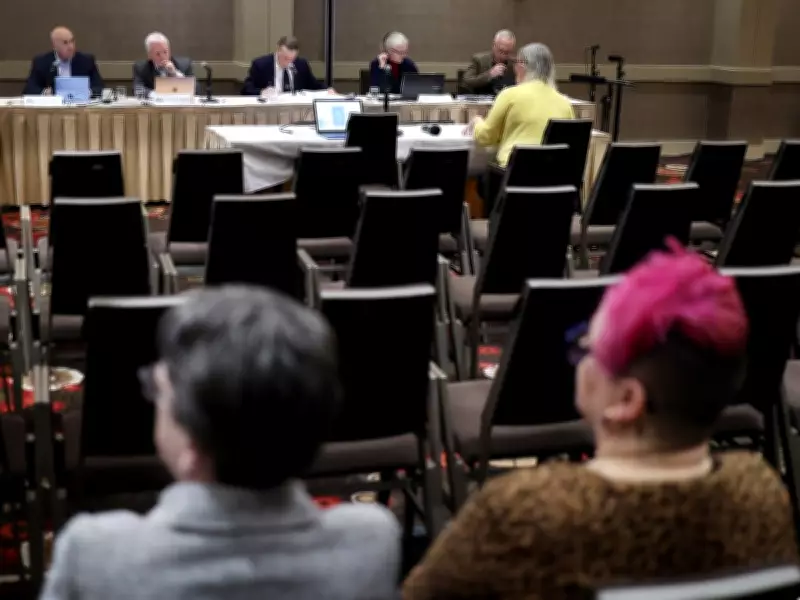
The most recent commission was established in March 2025 to recommend boundaries for the upcoming provincial election. It comprised a chair and two members appointed by the government, alongside two members appointed by the official Opposition. After conducting over a year of public hearings and reviewing submissions from Albertans, the commission released both a majority report and a minority report on March 26, 2026.
The majority report, endorsed by the chair—a retired Justice appointed by the government—and the two commissioners appointed by the Opposition, proposed an electoral map aligned with legislative principles and the foundational tenets of democracy. This report emphasizes adherence to constitutional standards and procedural fairness.
Controversial Minority Report Raises Alarms
In contrast, the minority report, authored by the two commissioners appointed by the government, introduces proposed changes that were never discussed during the public hearings. Among these alterations, it suggests creating several hybrid ridings that combine urban and rural areas in ways that could deny effective representation to their populations.
Furthermore, the minority report employs a methodology that inflates the population of certain ridings while decreasing others, again threatening the principle of effective representation. The majority report explicitly notes that these proposed changes are unconstitutional, describing them as procedurally unfair, substantively unreasonable within the commission's statutory mandate, and likely in violation of Section 3 of the Charter of Rights and Freedoms. This section protects every citizen's right to play a meaningful role in the electoral process.
This minority report is unprecedented in Alberta's history, as no previous Electoral Boundaries Commission has ever presented alternative electoral boundary maps. The emergence of such a report has sparked significant concern among advocates for democratic integrity, who argue that it represents a potential move toward gerrymandering—a practice that distorts electoral boundaries for partisan advantage.
Call to Action for Upholding Democratic Standards
As Alberta navigates this critical juncture, there is a pressing call for the province to reject any electoral map that compromises fairness. Upholding the principles of effective representation and constitutional rights is paramount to preserving the trust that Albertans place in their democratic institutions. The debate over these boundary proposals underscores the ongoing need for vigilance in protecting electoral integrity against any form of manipulation or undue influence.