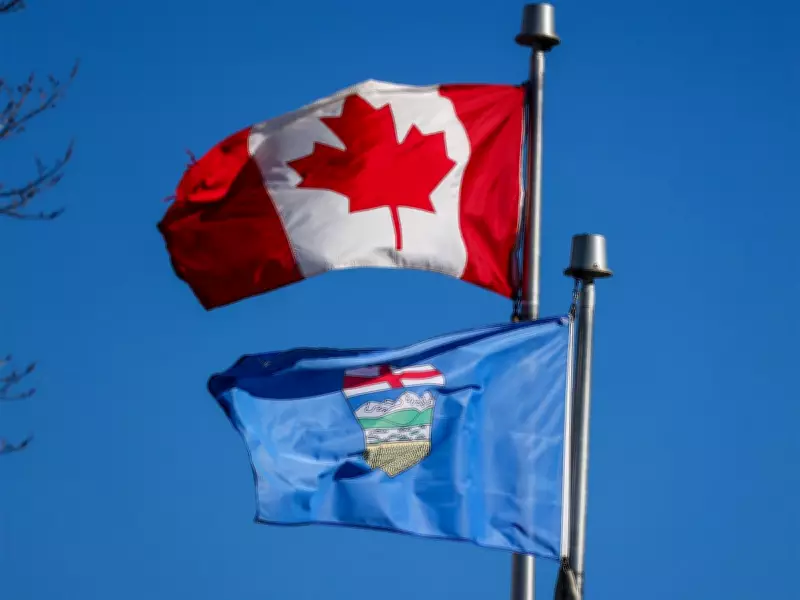
Alberta's Constitutional Crisis: The Overlooked Root of Western Alienation
While Alberta desperately requires a comprehensive discussion about its relationship with Canada, both federalist and separatist factions are overlooking the fundamental problem: Canada's inadequate Constitution that enables unfavorable federal policies against Western provinces.
The Historical Imbalance
The unequal position of Western regions has distorted Canada's political landscape for over 150 years. The 1982 Constitution failed to address this persistent inequality, leaving the West significantly underrepresented in the House of Commons, Senate, and federal judiciary. Unlike the United States, where all states enjoy equal Senate representation regardless of population, Canada lacks this constitutional safeguard for provincial equality.
Alberta suffers substantial financial losses exceeding $10 billion annually through equalization payments and Canada Pension Plan imbalances that disproportionately benefit Eastern provinces. This economic drain compounds historical grievances dating back to the National Energy Program of 1980, which plunged Alberta's economy into a devastating recession. Although dismantled under former Prime Minister Brian Mulroney, his subsequent appeasement of Quebec with economic and political preferences only renewed Western alienation.

The Rise and Failure of Reform Movements
During the 1980s, Alberta's independence movement gained significant momentum. Preston Manning argued persuasively that Canada needed to reconfederate to establish genuine equality among citizens and provinces. His optimistic declaration, "The West wants in," resonated deeply with Albertans who preferred respect and equal status within Canada rather than outright separation.
Manning's federal Reform Party successfully channeled this discontent, but the fundamental issue remained unaddressed. Both Liberal and Conservative federal governments that followed avoided the complex challenge of constitutional reform, allowing systemic inequalities to persist. Former Prime Minister Justin Trudeau further exacerbated tensions through discriminatory pseudo-environmental laws that targeted Alberta's oil industry. This pattern continues under Prime Minister Mark Carney, whose administration applies similar pressure through different means.
Contemporary Political Landscape
The 2025 federal election results, which installed another Liberal government despite Western Canada's predominantly Conservative voting patterns, ignited renewed separatist sentiment in Alberta and Saskatchewan. Unlike the 1980s, today's political landscape lacks a federal party capable of absorbing Western alienation. Manning's vision ultimately failed due to the absence of meaningful constitutional reform, leaving Albertans with palpable and pervasive anger that has reached a breaking point.
The Flawed Current Debate
Both federalist and separatist camps currently operate on emotion rather than reason, lacking constructive programs for moving forward. Federalists nostalgically reference Canada's 1867 creation in the East and military achievements in world wars and Korea, sometimes even invoking outdated British colonial connections in what appears as post-colonial cringe. Yet they offer no positive pathway for addressing Western grievances.
Meanwhile, separatism has been compromised by an alt-right fringe element including anti-vaccination activists, Putin apologists, and MAGA movement copycats. These groups advocate independence without seriously addressing its substantial dangers:
- Landlocked Alberta's precarious position between a resentful rump Canada and unpredictable United States
- The complex status of First Nations and their treaty rights
- Membership in crucial international organizations including CUSMA (formerly NAFTA), NORAD, and NATO
- Market access for Alberta's oil and gas resources
- Uncertain prospects of Saskatchewan joining Alberta in secession from Canada
The current debate remains trapped in emotional rhetoric while ignoring the constitutional framework that perpetuates Western Canada's subordinate position. Until both sides address this fundamental issue, Alberta's relationship with Confederation will continue to deteriorate, with potentially serious consequences for national unity.