Heartbreak manifests physically—a tightness in the chest, a dull ache that constricts breathing. It breeds foolishness for unwavering belief and anger for missed warnings. For Arron Neal, this sensation marks a profound disillusionment with American exceptionalism, a concept she once embraced wholeheartedly.
A Belief Tested by Time and Distance
Growing up in Maryland, Neal pledged allegiance to the American flag daily, hand on heart, taught that America stood as the world's greatest democracy and fairest society. By her 20s, she acknowledged imperfections but clung to the promise. She carried this belief to Montreal 11 years ago, when U.S. democracy still felt normal. Now, she feels betrayed by the widening chasm between the ideals she trusted and what she observes being enforced, defended, and normalized.
The Expansion of ICE and Erosion of Rights
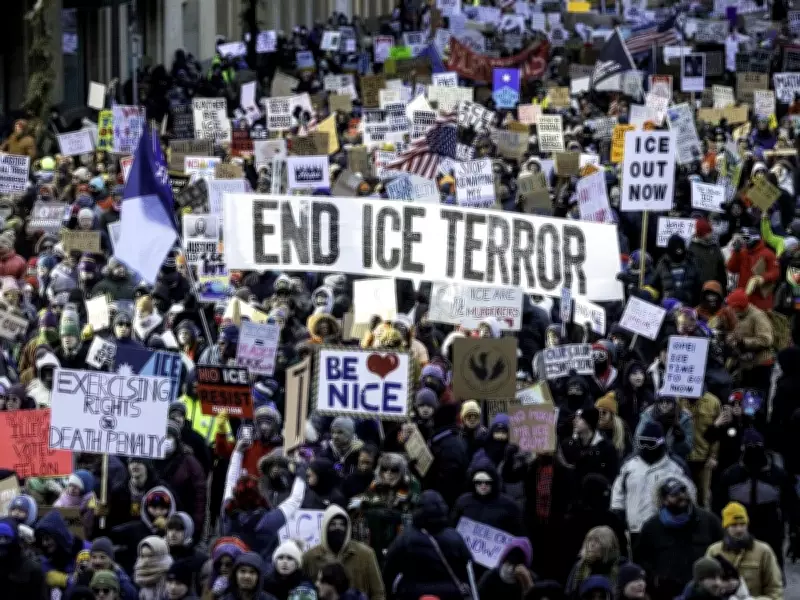
Last year, Immigration and Customs Enforcement (ICE) became the largest and most well-funded federal law enforcement agency in U.S. history. A recruitment campaign offering $50,000 signing bonuses, student loan repayment, and appeals to "defend the homeland" spurred dramatic force expansion. Neal finds herself unsettled by TV reports of ICE actions that appear to violate basic constitutional protections.

ICE officers often rely on administrative warrants—not signed by judges and not authorizing entry into private homes. Yet families nationwide report masked officers entering homes without judicial warrants, employing force or pressure. In one incident, federal agents used an explosive device to breach a home in Huntington Park, California, while a mother and her children, ages six and one, were inside.
NBC News reports at least 13 people shot by ICE officers since September, three fatally. Department of Homeland Security leaders have defended and justified these killings. The deceased include a mother, a father, and a caregiver.
Policy Shifts and Symbolic Erasures
On the first day of the current U.S. administration, federal agencies were ordered to terminate equity and diversity support efforts. Last year, the administration removed Juneteenth and Martin Luther King Jr. Day from National Park Service "fee-free" days. This decision may seem trivial to some, but Neal interprets it as signaling that certain narratives of liberty and justice no longer matter.
A Shared Loss of Faith
An uneasy solidarity emerges in knowing this loss of faith is shared. An Ipsos report found 61% of Americans believe the U.S. should be the world's moral leader, but only 39% think it actually is. Canadians are similarly disillusioned; a Gallup poll shows just 15% approve of U.S. leadership, meaning 85% do not. This is not the exceptionalism Neal was taught to believe in.
If America is to be exceptional, Neal argues, it must be exceptionally moral—empathetic, measured, and principled. Exceptionalism is not inherent; it is practised and earned. Currently, America's political leadership falls short of this baseline.
From Heartbreak to Action
The most painful heartbreaks heal with time and intention. Progress is slow, especially when swimming against the current, but history demonstrates change does come. Intention prevents mistaking patience for complacency and transforms grief into action. People are organizing to protect neighbours, lead legislative change, and fill gaps left by failing institutions.
Even when heartbroken, we cannot remain sad and embarrassed. We must love ourselves enough to demand better and undertake the hard work to achieve it. Arron Neal, a communications strategist, writer, and mother of two exploring culture, parenting, and politics, embodies this call to resilience.