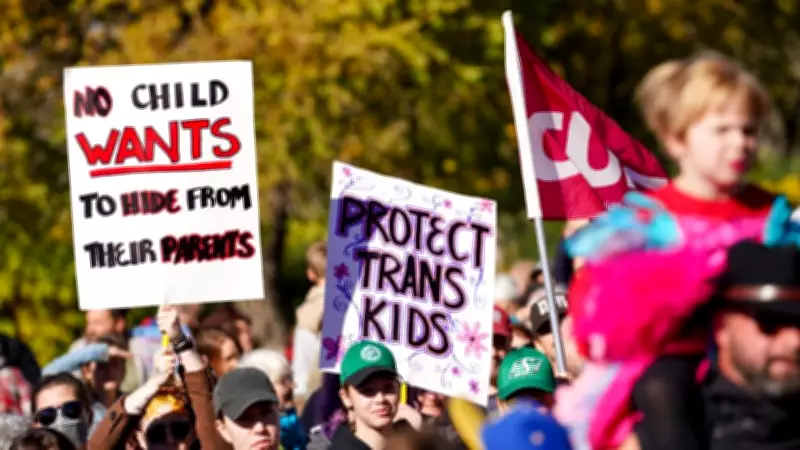
Amnesty International Canada has announced it will intervene in the Saskatchewan school pronoun law case at the Supreme Court. The organization argues that the provincial legislation, which requires parental consent for students under 16 to change their preferred names or pronouns at school, violates the rights and freedoms of children and youth.
Background of the Case
The case stems from a legal challenge against Saskatchewan's pronoun policy, which was introduced in 2023. The law mandates that schools must obtain parental permission before using a student's chosen name or pronoun if it differs from their birth name. Critics argue that this policy undermines the safety and well-being of transgender and non-binary students, particularly those who may not have supportive home environments.
Amnesty International's Position
Amnesty International Canada contends that the law infringes upon students' rights to privacy, freedom of expression, and protection from discrimination. The organization plans to present arguments emphasizing international human rights standards, including the United Nations Convention on the Rights of the Child. They assert that all young people have the right to be heard and to have their identities respected.

Legal Proceedings
The Supreme Court of Canada agreed to hear the case after the Saskatchewan government appealed a lower court ruling that struck down parts of the law. The lower court found that the legislation disproportionately affected transgender and non-binary students, causing potential harm. Amnesty International's intervention aims to provide an international human rights perspective to the justices.
Reactions and Implications
Supporters of the law argue that parents have the right to be involved in significant decisions affecting their children. However, LGBTQ+ advocacy groups and human rights organizations have praised Amnesty International's involvement, highlighting the importance of protecting vulnerable youth. The case is expected to have significant implications for similar laws in other provinces and for the rights of transgender and non-binary students across Canada.
The Supreme Court hearing is scheduled for later this year. A decision could set a precedent for how schools balance parental rights with student autonomy and safety.