British Columbia Government Announces New Legislation to Protect Places of Worship
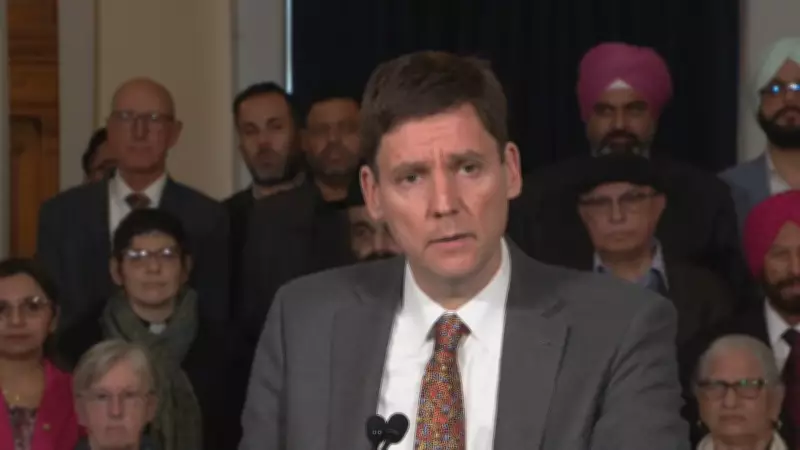
In a significant move to safeguard religious institutions, the British Columbia government has unveiled plans to implement buffer zones around places of worship. Premier David Eby announced the legislation during a news conference on Monday, March 9, 2026, emphasizing the need to protect these spaces from disruptive protests and potential hate incidents.
Details of the Proposed Buffer Zones
The new legislation will establish specific areas around religious buildings where protests and demonstrations will be restricted or prohibited. This measure aims to prevent the intimidation of worshippers and ensure that religious services can proceed without interference. Premier Eby highlighted that the initiative responds to growing concerns about attacks on religious communities, including recent incidents targeting synagogues in the Greater Toronto Area.
The buffer zones are designed to balance the right to protest with the right to religious freedom, creating a safe environment for all individuals. The government has not yet released the exact dimensions of these zones, but they are expected to vary based on the location and size of the worship place.

Context and Motivation Behind the Legislation
This legislative action comes amid a rise in hate crimes and disruptive protests at religious sites across Canada. In Ontario, Premier Doug Ford recently condemned attacks on synagogues, urging citizens to stand against hate. The B.C. government's move aligns with broader efforts to address these issues and promote community safety.
"We must ensure that everyone can practice their faith without fear," Premier Eby stated during the announcement. "These buffer zones are a practical step to protect our diverse religious communities and uphold their constitutional rights."
Potential Impacts and Reactions
The introduction of buffer zones is likely to spark debate among civil liberties groups, protesters, and religious organizations. While some may argue that it limits freedom of expression, others will welcome it as a necessary protection against harassment and violence.
- Enhanced Security: The zones aim to reduce confrontations and ensure peaceful worship.
- Legal Framework: The legislation will provide clear guidelines for law enforcement to manage protests near religious sites.
- Community Support: Many religious leaders have expressed support for the measure, citing increased safety concerns.
As the bill moves through the legislative process, further details will emerge regarding its implementation and enforcement. The B.C. government plans to consult with stakeholders, including religious groups and civil rights advocates, to refine the proposal.
Broader Implications for Canadian Society
This initiative reflects a growing trend across Canada to address hate crimes and protect vulnerable communities. Similar measures have been discussed in other provinces, and B.C.'s approach could serve as a model for nationwide policies. The government's focus on places of worship underscores the importance of religious tolerance in a multicultural society.
In conclusion, the B.C. government's decision to create buffer zones around places of worship marks a proactive step toward safeguarding religious freedom. By restricting protests in these areas, the legislation aims to foster a safer and more inclusive environment for all British Columbians.