Supreme Court Bill 21 Ruling Could Reshape Rights Nationwide, Student Warns
When Quebec's Bill 21, the controversial secularism legislation, first emerged, Yahya Shuli, a commerce student at Saint Mary's University in Halifax, thought it was a distant issue. Living and studying in Nova Scotia, he felt removed from the debates in Quebec. However, as the Supreme Court of Canada holds hearings on the bill this week, his perspective has dramatically shifted. He now realizes that this case is not just about Quebec—it affects every Canadian.
The Personal Impact of a Provincial Law
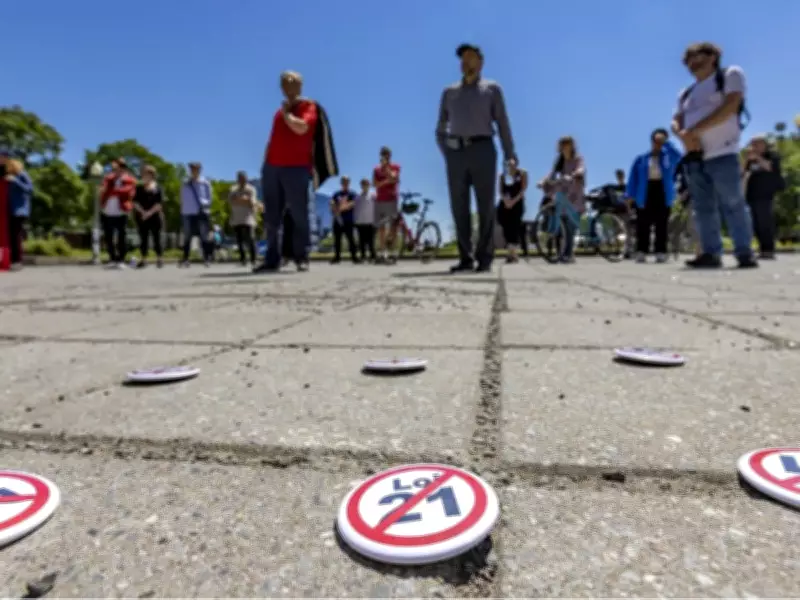
Bill 21 prohibits public employees such as teachers, police officers, and judges from wearing religious symbols like hijabs, turbans, or kippahs while on duty. For Muslim women, this creates a stark choice between career and faith. Shuli reflects that this contradicts the values he grew up with in Canada, where diversity is celebrated and individuals are encouraged to pursue their dreams without identity-based restrictions.
"I was always taught that Canada is a country where diversity is tolerated and people have free will to be who they are," Shuli writes. "But Bill 21 conveys another message. It tells young Muslims that there are limits. That in some careers, who you are might hold you back."

National Implications of the Supreme Court Case
Although Shuli does not live in Quebec and, as a man, does not wear a hijab, the law prompts him to question his future. He wonders if similar legislation could emerge in other provinces. This uncertainty underscores why the Supreme Court case is so critical. The ruling will not only impact Quebec but could influence how rights are perceived and limited by governments across Canada.
The National Council of Canadian Muslims is among the groups challenging Bill 21's legitimacy, advocating for the right to live and work without hiding one's identity. For Shuli, this is more than a legal issue—it's personal. It's about belonging and feeling included in Canadian society without having to sacrifice part of oneself.
A Broader Question for Canada's Future
Laws like Bill 21 and its extension, Bill 94, which broadens the religious-symbols ban to include daycare workers and others, complicate the vision of an inclusive Canada. Shuli emphasizes that these moments force Canadians to ask what kind of country they want: one that respects and embraces diversity or one that imposes limits on individual freedoms.
"Moments like these force us to ask what kind of a country we want Canada to be," he states. "The outcome of this case has the potential to shape the country we graduate into, the opportunities available to us, and the message future generations receive."
His hope is for a Canada where no one must choose between their identity and their future. As a young student, he urges that this issue cannot be overlooked, especially by the younger generation, as it will define the nation's path forward.