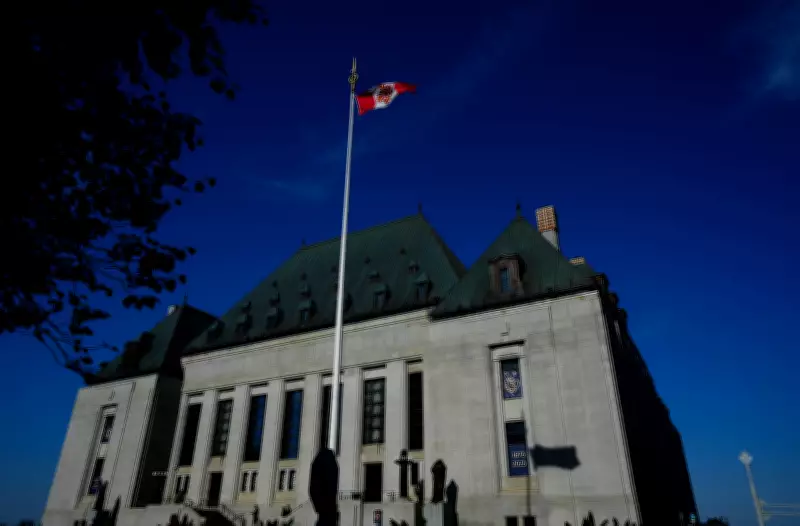
This week, the Supreme Court of Canada is hosting pivotal hearings on Bill 21, Quebec's controversial secularism law, with proceedings that underscore significant numerical aspects of the case. These hearings, which began on Monday, are drawing national attention as they delve into the constitutionality of the legislation that restricts religious symbols for public sector employees.
Duration and Scope of the Hearings
The hearings are scheduled to span multiple days, reflecting the complexity and high stakes involved. Legal experts anticipate that the court will hear arguments from various parties, including the Quebec government, civil liberties groups, and religious organizations. This extended timeline allows for a thorough examination of the law's implications on religious freedoms and provincial authority.
Key Numerical Highlights
Here are five critical numbers from the Bill 21 Supreme Court hearings this week:

- Number of Days: The hearings are expected to last for several days, with intense legal debates focusing on constitutional challenges and human rights concerns.
- Legal Submissions: Over a dozen legal briefs have been submitted by intervenors, highlighting the broad interest and contentious nature of the case.
- Historical Context: Bill 21 was enacted in 2019, making this one of the most prolonged legal battles in recent Canadian history, spanning multiple years of litigation.
- Public Impact: The law affects thousands of public sector workers in Quebec, including teachers and police officers, who may be subject to its restrictions on religious attire.
- Judicial Review: This marks the first time the Supreme Court is fully reviewing Bill 21, with potential to set precedents for similar laws across the country.
Implications for Canadian Law
The outcomes of these hearings could reshape the legal landscape regarding secularism and religious expression in Canada. If upheld, Bill 21 might influence other provinces considering similar measures, while a strike-down could reinforce federal protections for minority rights. The court's decision, expected later this year, will be closely watched by policymakers, legal scholars, and advocacy groups nationwide.
As the hearings progress, they highlight the ongoing tension between provincial autonomy and constitutional guarantees, with numbers like case duration and participant count underscoring the case's significance in Canadian jurisprudence.