César Chavez's Legacy Reexamined Amid Sexual Abuse Allegations
The enduring legacy of César Chavez, the iconic labor rights activist and co-founder of the United Farm Workers (UFW), is facing a profound and challenging reevaluation as previously undisclosed sexual abuse allegations have come to light. For decades, Chavez has been celebrated as a symbol of nonviolent protest and a champion for the rights of marginalized agricultural workers, but this new information is forcing a difficult conversation about separating the man from the myth.
A Complicated Historical Figure
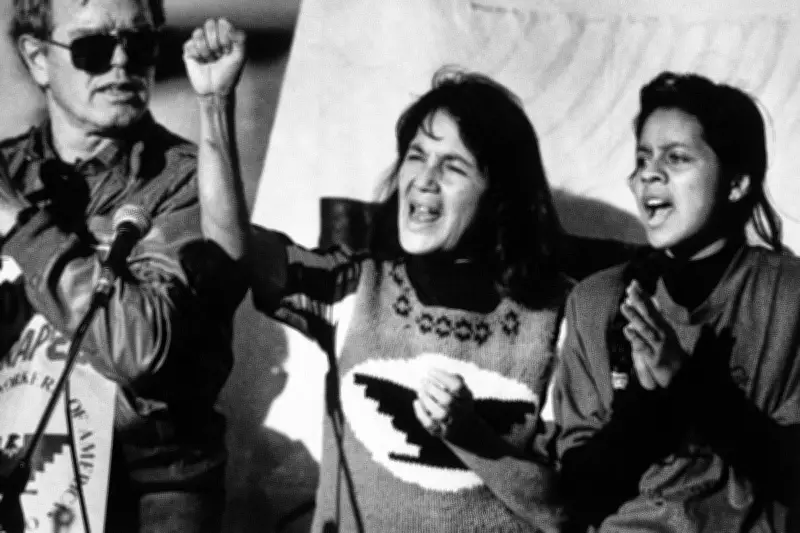
Chavez, who passed away in 1993, rose to national prominence in the 1960s and 1970s by organizing farm workers, leading historic boycotts, and advocating for better wages and working conditions. His efforts, often in partnership with Dolores Huerta, brought unprecedented attention to the plight of migrant laborers and solidified his status as a civil rights hero. However, recent reports and testimonies have alleged a pattern of sexual misconduct by Chavez, claims that were largely suppressed or ignored during his lifetime and in the years following his death.
These allegations present a significant moral and historical dilemma. How does society reconcile the undeniable positive impact of Chavez's activism with the serious personal failings now being alleged? This question is at the heart of a growing discourse among scholars, former UFW members, and social justice advocates.

The Struggle Within the Movement
Within the farm workers' movement and the broader Latino community, the reaction has been mixed and deeply emotional. Some argue that acknowledging these allegations is essential for historical accuracy and for supporting survivors, even if it tarnishes the image of a revered figure. Others fear that focusing on Chavez's personal behavior could undermine the ongoing struggles for labor rights and immigrant justice that he helped to galvanize.
This tension mirrors similar debates surrounding other historical figures whose public contributions are now viewed alongside their private misconduct. The case of Chavez is particularly poignant because his movement was built on principles of dignity, respect, and nonviolence—principles that appear starkly at odds with the actions he is now accused of.
Impact on Historical Memory and Education
The allegations are also prompting a reassessment of how Chavez is taught in schools and commemorated in public spaces. Many institutions across the United States bear his name, including streets, parks, and schools, and his birthday is a state holiday in several jurisdictions, including California, Texas, and Colorado. Educators and community leaders are now grappling with whether and how to incorporate this darker aspect of his story into curricula and public narratives.
This process is not about erasing Chavez's achievements but about presenting a more complete and nuanced portrait. It involves acknowledging the complexity of human character, where profound courage and compassion can coexist with grievous personal failings. For the survivors of his alleged actions, this reckoning is a long-overdue step toward validation and justice.
Moving Forward with a Nuanced Understanding
As the conversation continues, it is clear that there are no easy answers. The legacy of César Chavez remains a powerful force for advocacy and inspiration, but it can no longer be viewed through an uncritical lens. The challenge for historians, activists, and the public is to hold space for both the transformative social change he helped engineer and the harm he may have caused, allowing for a more honest and comprehensive understanding of his life and impact.
This reevaluation does not diminish the importance of the farm workers' movement or the ongoing fight for labor rights. Instead, it underscores the necessity of building movements that are not only effective in achieving political goals but also accountable and ethical in their internal practices. The story of César Chavez, in all its complexity, serves as a potent reminder of this enduring imperative.