German President Issues Stark Warning on Trump's Potential Return
German President Frank-Walter Steinmeier has voiced significant concerns, stating that a potential return of Donald Trump to the U.S. presidency would mark a profound rupture in transatlantic ties. This warning comes amid ongoing discussions about Trump's trade policies, particularly his tariffs, which have historically sparked tensions between the United States and European allies.
Historical Context and Diplomatic Tensions
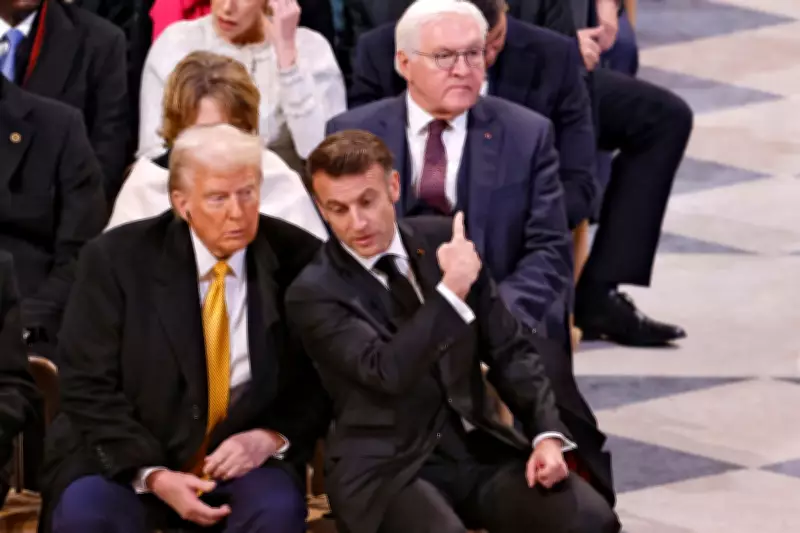
The backdrop to this warning includes a notable event in December 2024, when French President Emmanuel Macron, German President Frank-Walter Steinmeier, and U.S. President-elect Donald Trump gathered at the reopening of Notre Dame Cathedral in Paris. This symbolic moment highlighted the complex interplay of diplomacy and trade issues that have characterized recent transatlantic relations.
Steinmeier emphasized that Trump's previous tenure was marked by contentious policies, such as imposing tariffs on European goods, which strained economic and political bonds. He argued that a second Trump administration could exacerbate these divisions, potentially undermining decades of cooperation on security, climate change, and global trade.

Implications for International Relations
The German president's remarks underscore broader anxieties within the European Union about the future of its partnership with the United States. Key areas of concern include:
- Trade Policies: Renewed tariffs could disrupt markets and increase costs for businesses on both sides of the Atlantic.
- Security Alliances: Potential shifts in U.S. foreign policy might affect NATO and other defense collaborations.
- Diplomatic Stability: Ongoing uncertainties could hinder joint efforts on global challenges like pandemics and environmental crises.
Experts suggest that Steinmeier's warning is a call for preparedness among European nations, urging them to strengthen internal unity and explore alternative partnerships to mitigate potential disruptions.
Looking Ahead
As the political landscape evolves, the transatlantic relationship faces a critical juncture. Steinmeier's comments reflect a cautious approach, emphasizing the need for dialogue and resilience in the face of possible policy changes. The outcome of future U.S. elections will likely play a pivotal role in shaping these international dynamics, with implications for global economics and diplomacy.