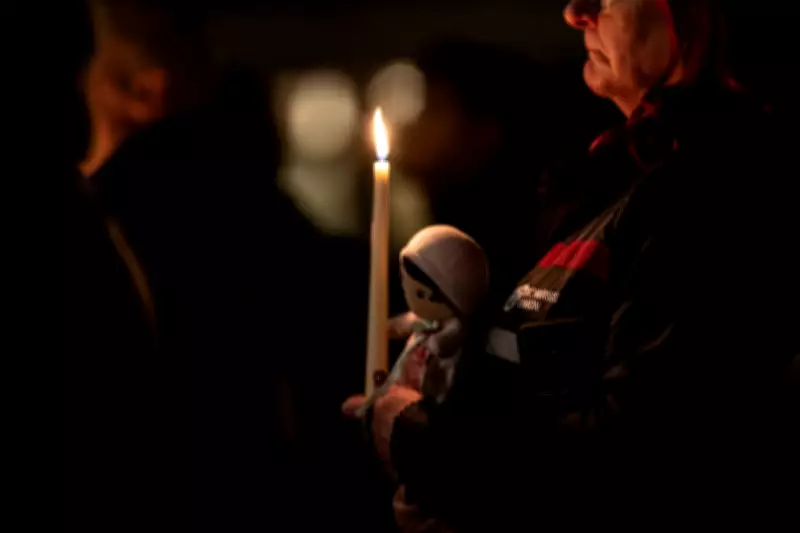
In the aftermath of the devastating school shooting in Tumbler Ridge, the community's focus on grieving has been overshadowed by a surge of hateful rhetoric targeting the transgender community online. This disturbing trend stems from the identity of the shooter, revealing how culture wars can corrupt our collective capacity for mourning and compassion.
The Tragedy and Its Aftermath
As families and survivors in Tumbler Ridge grapple with the horrific loss, described by one teacher as "the little kids are gone," the emotional toll is immense. A survivor mourned a victim, saying, "He lit up everyone’s world," highlighting the personal connections shattered by the violence. Meanwhile, the family of Portapique victims has offered advice and support to the Tumbler Ridge community, drawing from their own experiences with mass tragedy.
Online Hate and Political Divisions
Despite the need for unity, the shooter's identity has sparked a wave of online hate directed at the transgender community. This rhetoric diverts attention from the victims and the healing process, instead fueling political divisions. It raises critical questions about why confiscated guns were returned to the suspect's home before the shooting, as seen in related video reports, and how such oversights intersect with broader societal issues.

The spread of this hateful discourse exemplifies how culture wars can exploit tragedies, turning moments of grief into battlegrounds for ideological conflicts. This not only harms marginalized groups but also undermines the community's ability to come together in sorrow and support.
Broader Implications for Society
This situation mirrors other national concerns, such as federal employees facing misconduct cases or debates over public servants' return-to-office mandates. It also touches on themes from health crises, like a six-year-old being a "medical mystery," and environmental challenges, where Canada is not on track to meet climate targets. However, the core issue here is how political polarization can distort our response to human suffering.
As flags fly at half-mast in Windsor after a B.C. mass shooting, and communities nationwide face similar tragedies, the lesson from Tumbler Ridge is clear: allowing culture wars to infiltrate grief corrupts our empathy and hinders recovery. It calls for a renewed focus on compassion over conflict, especially in times of collective trauma.