Human Rights Tribunals: The Expansion That Threatens Canadian Freedoms
Across Canada, human rights tribunals have undergone a significant transformation in recent years, expanding their scope to impose substantial penalties on speech and raising serious questions about the balance between protecting rights and preserving fundamental freedoms. What began as institutions designed to address discrimination has evolved into bodies that some argue now threaten the very liberties Canadians hold dear.
The Comedian and the $42,000 Joke
The case of Quebec comedian Mike Ward illustrates this troubling trend. In 2016, the Quebec Human Rights Tribunal ordered Ward to pay $42,000 in damages to Jérémy Gabriel and his mother for jokes made about Gabriel, who has Treacher-Collins syndrome and gained regional fame as a child singer. The tribunal determined that Ward's comedy routine, which included comments about Gabriel's appearance and singing ability, constituted discrimination that infringed upon Gabriel's dignity and honor.
During his stand-up performance, Ward had joked about Gabriel's rise to prominence, questioning why the boy hadn't died despite his association with the Make-a-Wish Foundation, which many mistakenly believe serves only terminal cases. Ward also made references to Gabriel's appearance and hearing aids in his routine. While the jokes were undoubtedly harsh and caused Gabriel significant emotional distress, the tribunal's ruling established a precedent that comedians must consider fundamental rights alongside audience laughter.

A Narrow Supreme Court Victory
The case eventually reached Canada's Supreme Court, where Ward's appeal succeeded by the narrowest possible margin. In a 5-4 decision, the court ruled that human rights tribunals could only punish discriminatory speech if it incited hatred based on prohibited grounds of discrimination, and only if a reasonable person would believe the comments would likely lead to discriminatory treatment.
This decision, while favorable to Ward, revealed deep divisions within Canada's highest court about the appropriate limits of tribunal authority. The close vote suggests that similar cases could easily swing the other way in the future, leaving freedom of expression on uncertain ground.
The $750,000 School Trustee Case
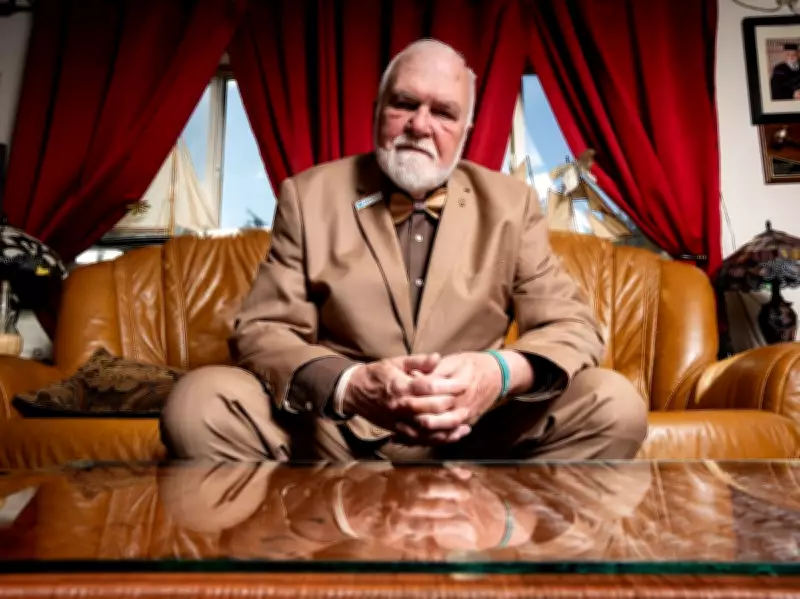
More recently, the British Columbia Human Rights Tribunal ordered former school trustee Barry Neufeld to pay $750,000 for comments he made regarding how gender identity is taught in classrooms. Neufeld, who served as a trustee in Cultus Lake, B.C., faced this staggering penalty for expressing views on educational approaches to gender identity that the tribunal found discriminatory.
This case demonstrates how human rights tribunals have expanded beyond traditional discrimination cases to address contentious social and political debates, imposing financial penalties that can bankrupt individuals for expressing unpopular opinions.
The Broader Implications for Canadian Society
These cases represent a broader pattern of human rights tribunals expanding their authority in ways that concern legal experts and civil liberties advocates. The tribunals, originally established to provide accessible justice for discrimination victims, now wield power to impose severe financial penalties that can silence dissent and chill public discourse.
The fundamental question raised by these developments is whether human rights tribunals have overstepped their mandate, transforming from protectors of vulnerable groups into arbiters of acceptable speech with the power to punish those who deviate from approved viewpoints. As these institutions continue to expand their reach, Canadians face increasing uncertainty about where the line between protected expression and punishable speech actually lies.
The tension between protecting dignity and preserving freedom of expression remains unresolved, with human rights tribunals positioned at the center of this critical debate about the future of Canadian liberties.