Israel's Parliament Advances Ban on Mixed-Gender Prayer at Western Wall
Israel's parliament has taken significant steps toward enacting a ban on mixed-gender prayer at the Western Wall in Jerusalem, one of Judaism's holiest sites. This legislative move, driven by ultra-Orthodox political factions, aims to enforce traditional gender segregation during prayer sessions at the location, which attracts millions of visitors and worshippers annually.
Historical and Religious Context
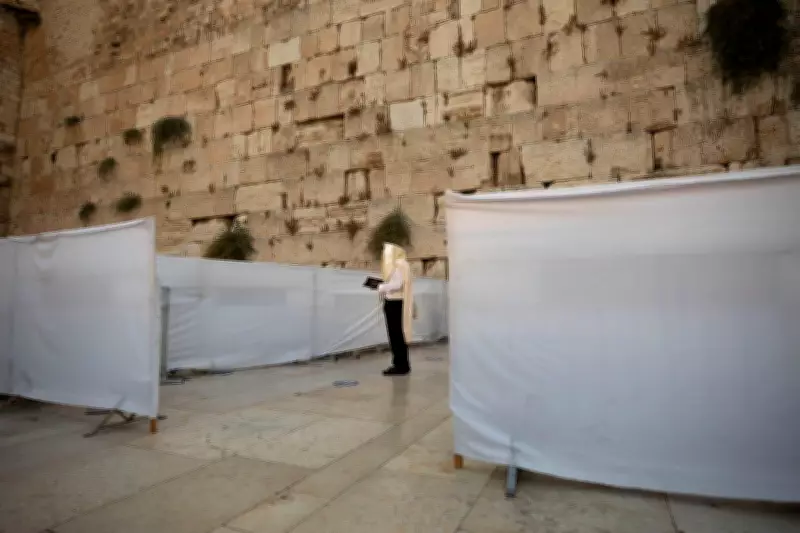
The Western Wall, a remnant of the ancient Temple in Jerusalem's Old City, has long been a focal point for Jewish prayer and pilgrimage. Currently, the site is divided into separate sections for men and women, a practice rooted in Orthodox Jewish tradition. However, mixed-gender prayer groups, often associated with more progressive Jewish movements, have occasionally gathered in the plaza area, leading to tensions with Orthodox authorities.
The proposed ban seeks to codify existing informal arrangements into law, explicitly prohibiting any mixed-gender prayer at the site. Supporters argue that this preserves the sanctity and traditional character of the Western Wall, while critics view it as an infringement on religious freedom and a setback for pluralism in Israeli society.

Political Implications and Reactions
The legislation reflects the growing influence of ultra-Orthodox parties in Israel's coalition government. These groups have prioritized religious law in public spaces, and the Western Wall ban is part of a broader agenda. The move has sparked debate within Israel and among Jewish communities worldwide, with some labeling it as exclusionary and others defending it as necessary for maintaining religious norms.
International observers have noted that this development could further complicate efforts to manage the sensitive status of Jerusalem's holy sites, which are also significant to Muslims and Christians. The timing of the parliamentary action, in early 2026, comes amid ongoing regional tensions and domestic political maneuvering.
Impact on Worship and Tourism
If enacted, the ban would directly affect worshippers who participate in egalitarian or mixed-gender services, potentially forcing them to relocate or alter their practices. Tourism officials have expressed concerns that stricter regulations could deter some visitors, though the Western Wall's historical and spiritual importance is expected to continue drawing large crowds.
The legislation also raises questions about enforcement and compliance, as the Western Wall is administered by a rabbinical authority under the Israeli government. Discussions are ongoing regarding how the ban would be implemented, including possible penalties for violations and the role of security personnel in monitoring prayer activities.
As the bill progresses through parliament, stakeholders from various religious and secular backgrounds are preparing for further deliberations. The outcome could set a precedent for other religious sites in Israel and influence the broader dialogue on religion and state in the country.