Organization Wins Information Wars: Lessons from Anti-Israel and MAGA Movements
In the fierce battle for public opinion, organization emerges as the decisive factor separating successful movements from fragmented efforts. This reality is starkly illustrated by the contrasting dynamics between anti-Israel protesters and MAGA supporters versus their respective counterparts.
A Chilling Contrast on Toronto Streets
Exactly one hundred days after Hamas attacked Israel in October 2023, Warren Kinsella spoke at a rally at Toronto's City Hall calling for the release of Israeli hostages. The gathering attracted merely a couple hundred participants at most. Immediately afterward, while seeking warmth from the bitter cold, Kinsella and colleague Brian Lilley encountered a dramatically different scene just blocks away.
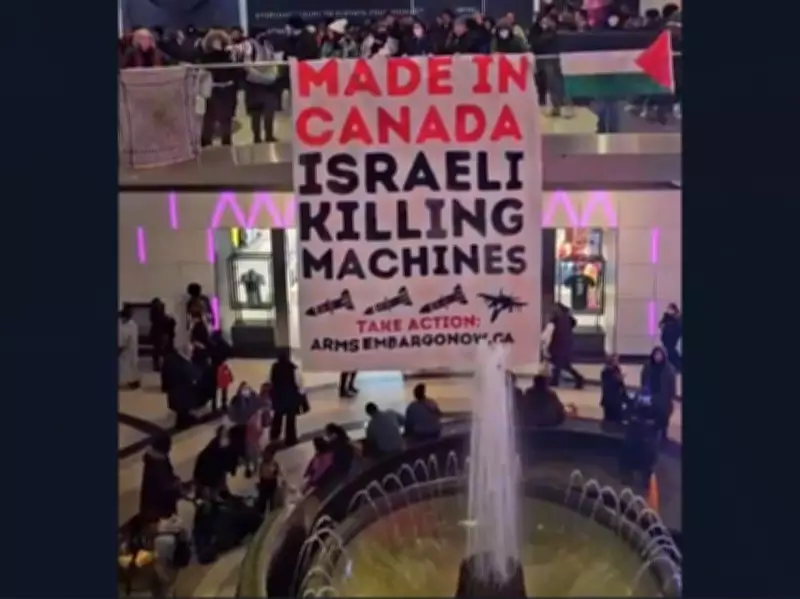
Thousands of anti-Israel, anti-West, antisemitic, and pro-Hamas protesters had paralyzed Toronto's main thoroughfare, Yonge Street, with Palestinian flags and antisemitic signage dominating the landscape. Police appeared inactive as the massive demonstration overwhelmed the city center. This pattern has repeated consistently in subsequent years: pro-Israel gatherings often draw modest numbers while anti-Israel demonstrations mobilize crowds exponentially larger, displaying military precision, tested messaging, and seemingly limitless resources.

The MAGA Organizational Blueprint
Parallel dynamics unfold in American politics, where despite most voters identifying as progressive, conservative movements dominate national discourse. As Pulitzer Prize-winning writer Charles Duhigg documented in the New Yorker, the Democratic Party excels at mobilizing through massive events like the 2017 Women's March or 2025 No Kings protests, attracting millions of participants. However, momentum consistently dissipates afterward.
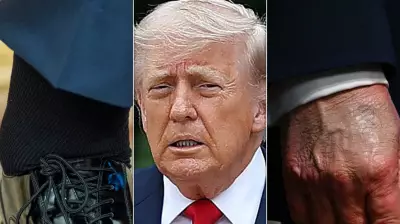
Meanwhile, MAGA movements demonstrate superior organizing capabilities, controlling the White House, Senate, House of Representatives, and Supreme Court through what Republicans term the Faith & Freedom Coalition-inspired Precinct Strategy. This approach builds formidable ground-level infrastructure welcoming individuals with diverse views on guns, abortion, and healthcare, requiring only one unifying principle: support for Donald Trump.
Unified Objectives Overcome Internal Divisions
Both anti-Israel movements and MAGA supporters share crucial organizational advantages. They avoid subjecting potential recruits to ideological purity tests, instead focusing on singular objectives: eliminating the Jewish state for anti-Israel activists, and supporting Trump for MAGA participants. This creates broad coalitions where internal disagreements become secondary to primary goals.
Conversely, pro-Israel advocates and progressive movements often fracture over strategic disagreements, competing organizations, and conflicting voices. While periodic protests, sophisticated websites, and celebrity endorsements generate temporary visibility, they cannot match the sustained impact of long-term ground organization. As Democratic legend Tip O'Neill famously observed, all politics is local—a lesson MAGA has mastered while many progressive movements have forgotten.
The Propaganda Battlefield
In the Israel-Hamas propaganda war, organizational superiority has proven decisive. Anti-Israel forces have dominated information channels since October 7, 2023, when Hamas attacked Israeli civilians. Their success stems not from moral superiority but from superior coordination, consistent messaging, and relentless commitment to their objective.
Scholars studying both American political parties confirm that Republicans have created broader ideological coalitions in recent decades, supported by a media ecosystem that dwarfs Democratic messaging. The MAGA movement welcomes anyone wearing the red hat, requiring only admiration for Trump. Similarly, anti-Israel movements prioritize commitment to eliminating Israel above all other considerations.

The fundamental lesson transcends specific conflicts: In elections and public opinion battles, long-term strength depends on bodies, organization, and commitment. Slick campaigns and temporary mobilizations cannot compete with sustained ground-level infrastructure. Organization isn't merely one component of success—it's everything that determines who wins information wars and captures public sentiment.