The Canadian Senate has voted to criminalize the denial or downplaying of the Indian residential school system, introducing a controversial amendment to the Combatting Hate Act that could lead to jail sentences of up to two years.
Amendment Details
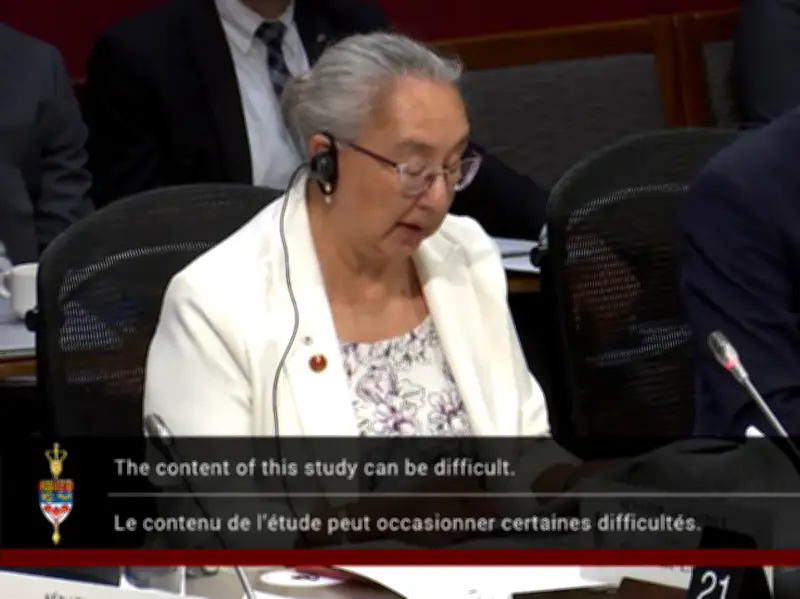
On Monday, the Senate's standing committee on human rights added a one-line clause to Bill C-9, the Combatting Hate Act, making it an offense to "condone, deny or downplay the Indian residential school system." The amendment was introduced by Nunavut Senator Nancy Karetak-Lindell, who argued it was essential for "affirming the importance of protecting survivor truth."
"Meaningful reconciliation cannot occur if the foundational truths of the residential school system are publicly denied, minimized or justified in ways that foster hatred towards Indigenous people," Karetak-Lindell said, drawing parallels to existing Canadian laws against Holocaust denial.

The amendment specifies that any Canadian found guilty of such denial, unless it occurs in "private conversation," would be "guilty of an indictable offence and liable to imprisonment not exceeding two years."
Political Context
Karetak-Lindell, appointed to the Senate in December 2024 by then-Prime Minister Justin Trudeau, previously served as a Liberal MP for Nunavut from 1997 to 2008. Her amendment mirrors the language of a private member's bill introduced by NDP MP Leah Gazan, which also seeks two-year jail terms for similar offenses. Gazan's Bill C-254 passed first reading in October but has not progressed further.
The Senate committee approved the amendment after 45 minutes of discussion. Alberta Senator Kristopher Wells, another Trudeau appointee, expressed hope that it would "call out the comments from various leaders across the country." Wells noted that "residential school denialism" is a "pressing problem" contributing to anti-Indigenous racism.
Voting Outcome
Of the two Conservative senators present, Yonah Martin abstained, while David Wells of Newfoundland and Labrador voted in favor. The amendment passed with seven votes in favor, three abstentions, and only one vote against.
The sole dissenting vote came from Senator Patti LaBoucane-Benson, who criticized the amendment for not going far enough. "While I agree with you wholeheartedly (I did my doctoral research on this), I'm afraid that we might be watering our wine and not going for the full force of what should happen with residential school denialism," she said before casting the only 'nay' vote.
The amendment now moves to the full Senate for further debate and a final vote. If passed, it will become part of the Combatting Hate Act, subject to approval by the House of Commons.