Senegal Enacts Stricter Legislation Targeting Homosexual Acts
In a move that has ignited significant controversy, lawmakers in Senegal have passed a new bill that substantially increases penalties for homosexual acts. The legislation, approved by parliament, represents a hardening of the country's stance on LGBTQ issues, which are already heavily stigmatized in the socially conservative West African nation.
Details of the Legislative Changes
The bill, which was advanced through Senegal's legislative body, introduces more severe punishments for individuals convicted of engaging in homosexual activities. While specific details of the penalties were not fully disclosed in initial reports, sources indicate that the law aims to extend prison sentences and potentially impose heavier fines compared to previous statutes. Homosexuality has long been criminalized in Senegal, where it is punishable by up to five years in prison under existing laws, reflecting deep-seated cultural and religious opposition.
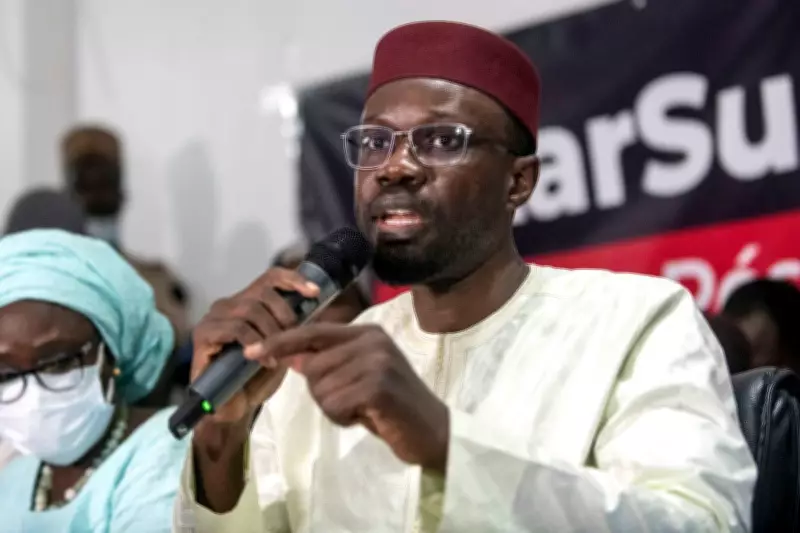
This legislative action comes at a time of heightened political activity in Senegal, a country that has experienced recent tensions involving opposition figures. Notably, Ousmane Sonko, a prominent opposition leader, was recently released from police custody, as highlighted in a file photo from March 2021. The intersection of political dynamics and social policy underscores the complex environment in which this bill was passed.

Broader Context and Implications
Senegal, with a predominantly Muslim population, maintains strict laws against homosexuality, aligning with widespread societal norms that view such acts as immoral. The passage of this bill is likely to draw criticism from international human rights organizations, which have repeatedly condemned Senegal's treatment of LGBTQ individuals. Advocates argue that such laws violate fundamental human rights and contribute to discrimination and violence against sexual minorities.
In contrast, supporters of the legislation assert that it upholds traditional values and religious principles. The debate over this bill reflects broader global tensions between conservative cultural practices and progressive human rights standards. As Senegal moves forward with these stricter measures, it may face increased scrutiny on the international stage, particularly from Western nations that promote LGBTQ rights as part of their foreign policy agendas.
Regional and Global Reactions
This development in Senegal is part of a larger pattern in some African countries, where anti-LGBTQ legislation has been introduced or reinforced in recent years. Nations like Uganda and Nigeria have enacted harsh laws, often citing cultural preservation and sovereignty. The Senegalese bill could influence similar legislative efforts in neighboring countries, potentially exacerbating the challenges faced by LGBTQ communities across the continent.
Globally, the response is expected to include condemnations from human rights groups and possible diplomatic repercussions. However, Senegal's government may prioritize domestic political considerations, including appeasing conservative constituencies, over international pressure. The bill's passage also highlights the ongoing struggle for LGBTQ rights in regions where legal protections are minimal or non-existent.
As this story unfolds, observers will monitor how the implementation of the new law affects Senegal's social fabric and its international relations. The increased penalties could lead to more arrests and prosecutions, further marginalizing LGBTQ individuals and fueling advocacy efforts both within Senegal and abroad.