U.S. Supreme Court Halts California's Transgender Student Safeguards
In a landmark decision, the U.S. Supreme Court has intervened to block California policies aimed at protecting transgender students, delivering a major blow to LGBTQ+ rights advocates. The ruling, issued on March 2, 2026, temporarily suspends measures that were intended to ensure inclusive environments in schools across the state.
Legal and Social Implications
The court's action comes amid heightened tensions over transgender rights in education, with California having been at the forefront of implementing progressive policies. These included provisions for gender-affirming facilities, pronoun usage, and anti-discrimination protocols. Supporters argue such policies are crucial for student well-being, while opponents cite concerns over parental rights and traditional values.
The decision follows a series of legal challenges that have escalated the issue to the nation's highest judicial body. It reflects a broader national divide, with similar debates unfolding in multiple states over school policies affecting transgender youth.

Background and Context
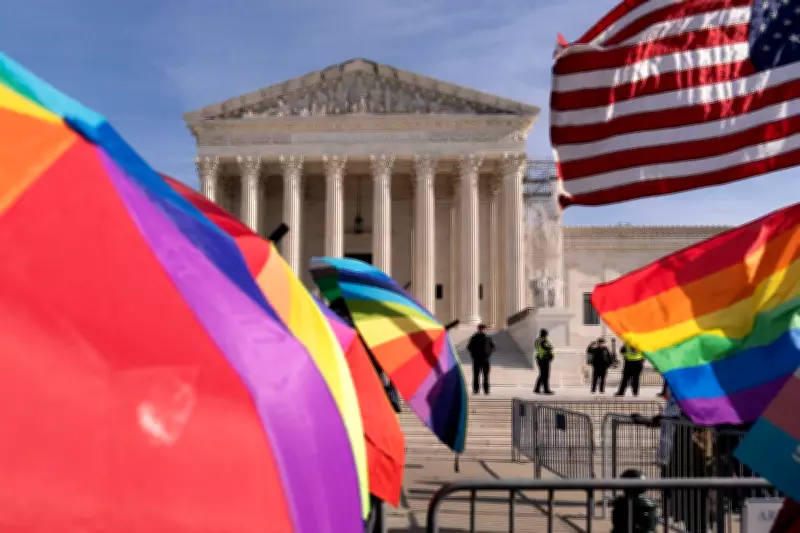
Transgender rights have been a focal point of social and political discourse, with rallies and protests frequently occurring outside the Supreme Court. In December 2024, activists gathered in Washington to voice support for inclusive measures, highlighting the ongoing advocacy efforts.
This ruling is expected to influence similar cases nationwide, potentially setting a precedent for how states can legislate on matters of gender identity in educational settings. Legal experts anticipate further litigation as both sides prepare for prolonged battles over constitutional interpretations.
Reactions and Next Steps
Advocacy groups have expressed disappointment, warning that the block could exacerbate discrimination and mental health challenges for transgender students. Conversely, critics of the policies applaud the court's move, viewing it as a check on governmental overreach.
As the legal process continues, stakeholders are closely monitoring developments, with potential appeals and legislative responses on the horizon. The outcome could reshape the landscape of student rights and educational policy for years to come.