U.S. Supreme Court Weighs Easing Firearm Restrictions for Cannabis Consumers
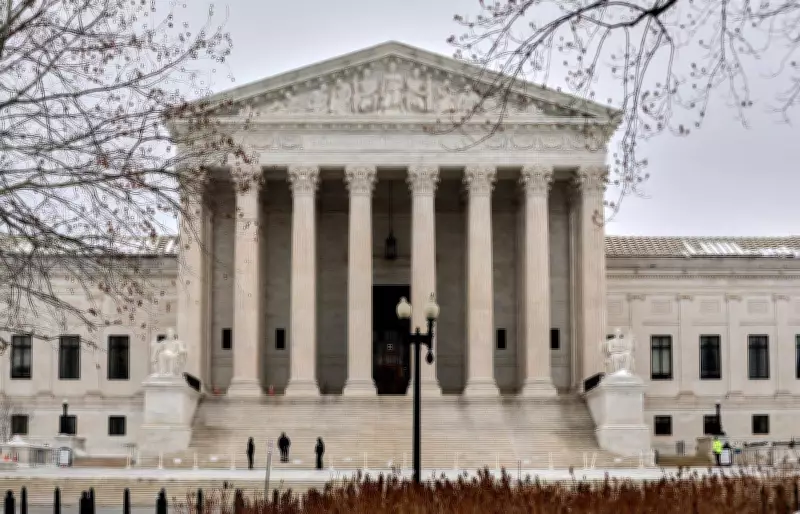
The United States Supreme Court is poised to deliberate on a pivotal case that could significantly alter federal regulations barring individuals who use marijuana from possessing firearms. This legal challenge, set for review in early 2026, has the potential to reshape the intersection of gun rights and drug policy in America, sparking widespread debate among legal experts, advocacy groups, and the public.
Background of the Federal Prohibition
Currently, federal law under the Gun Control Act of 1968 prohibits any person who is an "unlawful user of or addicted to" controlled substances, including marijuana, from owning or purchasing firearms. This statute has been enforced regardless of state laws that have legalized cannabis for medical or recreational use, creating a complex legal landscape where individuals in states with legal marijuana may still face federal penalties for gun ownership.
The case before the Supreme Court challenges the constitutionality of this ban, arguing that it infringes upon Second Amendment rights. Proponents of the change contend that the law is outdated and unfairly targets cannabis users, especially as societal attitudes toward marijuana have evolved. They point to the growing number of states—over 40—that have legalized cannabis in some form, suggesting a disconnect between federal and state policies.

Legal Arguments and Implications
Legal scholars anticipate that the Court's decision could hinge on interpretations of the Second Amendment and the federal government's authority to regulate firearms based on drug use. The plaintiffs in the case argue that marijuana consumption alone does not inherently make an individual a danger to public safety, and thus, a blanket ban is overly broad and unconstitutional.
Opponents, including some law enforcement agencies and gun control advocates, warn that loosening these restrictions could lead to increased risks, citing concerns about impaired judgment and potential violence. They emphasize that marijuana remains a Schedule I controlled substance at the federal level, indicating a high potential for abuse and no accepted medical use, which they argue justifies the firearm prohibition.
If the Supreme Court rules in favor of easing the ban, it could prompt legislative changes at the federal level and impact millions of Americans who use cannabis. Such a ruling might also influence related policies, such as background checks and licensing requirements for gun purchases, potentially leading to a more nuanced approach that considers individual circumstances rather than a categorical exclusion.
Broader Context and Public Reaction
This case emerges amid a broader national conversation about gun rights and drug reform. In recent years, several lower courts have issued conflicting rulings on similar issues, highlighting the need for Supreme Court clarification. Public opinion polls show a divide, with some Americans supporting relaxed gun laws for cannabis users as part of personal liberty, while others prioritize public safety concerns.
Advocacy groups on both sides are mobilizing, with cannabis legalization organizations framing the issue as a matter of civil rights and gun rights advocates seeing it as a test of constitutional protections. The outcome could have ripple effects beyond firearms, potentially influencing how other federal drug laws are applied in states with legal cannabis markets.
As the Supreme Court prepares to hear arguments, legal experts predict a closely watched decision that could redefine the boundaries of gun ownership in the United States. The ruling, expected later in 2026, will likely set a precedent for future cases involving drug use and constitutional rights, marking a significant moment in American jurisprudence.