Supreme Court Casts Doubt on Trump's Birthright Citizenship Restrictions
The Supreme Court is scrutinizing President Donald Trump's executive order on birthright citizenship in a high-stakes case that gained additional attention due to Trump's unprecedented attendance at the courtroom arguments. Conservative and liberal justices alike raised serious questions on Wednesday about whether the order, which denies citizenship to children born to parents in the U.S. illegally or temporarily, aligns with the Constitution or federal statutes.
Trump's Presence and Judicial Skepticism
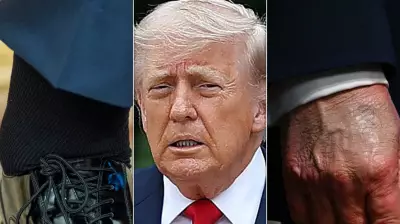
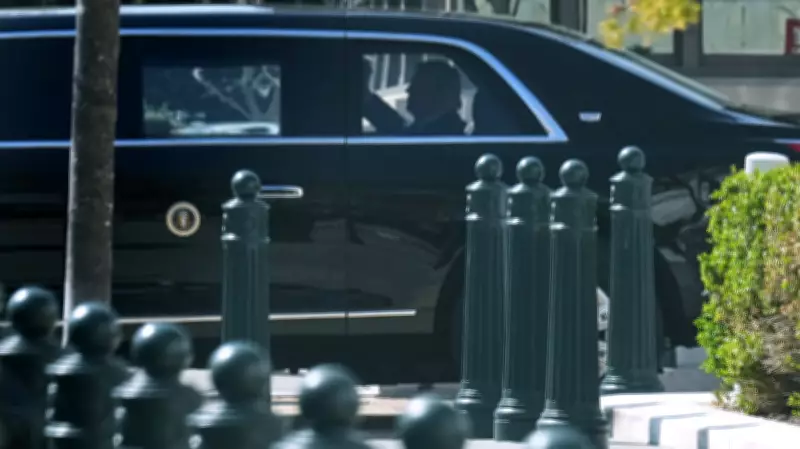
Trump, marking a historic moment as the first sitting president to attend arguments at the nation's highest court, spent over an hour in the courtroom. He listened as Solicitor General D. John Sauer, representing the Republican administration, faced a barrage of skeptical inquiries from the justices. The president left shortly after Cecillia Wang, a lawyer defending broad birthright citizenship, began her presentation.
Justices probed the legal foundations of the order and expressed practical concerns. Justice Ketanji Brown Jackson, for instance, questioned the logistical implementation, asking, "Is this happening in the delivery room?" to highlight the challenges of determining citizenship eligibility at birth. Justice Clarence Thomas emerged as the most likely to support Trump, noting that the 14th Amendment was originally intended to grant citizenship to Black people, including freed slaves, and questioning its relevance to immigration debates.

Legal and Historical Context
The case stems from Trump's appeal of a lower-court ruling in New Hampshire that struck down the citizenship restrictions, part of a broader pattern where multiple courts have blocked the order from taking effect nationwide. This legal battle represents another test of Trump's assertions of executive power, challenging long-standing precedents for a court that has often ruled in his favor, albeit with notable exceptions that have drawn sharp personal criticisms from the president. A definitive ruling is anticipated by early summer.
Signed on the first day of his second term, the birthright citizenship order is a key component of Trump's administration's extensive immigration crackdown. It is the first immigration-related policy from Trump to reach the Supreme Court for a final decision, following previous rulings such as the striking down of global tariffs imposed under emergency powers.
Constitutional and Social Implications
Trump's order seeks to overturn the traditional interpretation of the 14th Amendment, ratified in 1868, and federal law since 1940, which generally confer citizenship on all individuals born on U.S. soil, with limited exceptions for children of foreign diplomats or occupying forces. The administration argues that children of noncitizens are not "subject to the jurisdiction" of the United States and thus not entitled to citizenship, a stance that lower courts have consistently rejected, citing the 1898 Wong Kim Ark ruling that affirmed citizenship for U.S.-born children of Chinese nationals.
In response, Cecillia Wang, legal director of the American Civil Liberties Union, argued against this reinterpretation, stating, "We have the president of the United States trying to radically reinterpret the definition of American citizenship." Research from the Migration Policy Institute and Pennsylvania State University indicates that over 250,000 babies born annually in the U.S. would be affected by the order, impacting not only those with undocumented parents but also individuals legally present, such as students and green card applicants.
Political Reactions and Broader Impact
Trump has reacted strongly to judicial setbacks, including a late February decision on tariffs, where he expressed shame and called justices unpatriotic. Ahead of the Supreme Court arguments, he issued a preemptive critique on his Truth Social platform, emphasizing that birthright citizenship should focus on the descendants of slaves rather than wealthy foreigners. This case underscores the ongoing tensions between executive authority and constitutional principles, with far-reaching consequences for immigration policy and American identity.