U.S. Supreme Court Rules Trump Overstepped Authority in Tariff Imposition
In a landmark ruling delivered on Friday, the U.S. Supreme Court has determined that former President Donald Trump exceeded his authority by imposing sweeping tariffs under emergency powers. The decision marks a significant legal setback for Trump's trade policies, which were a central component of his economic agenda during his second term.
Legal Challenge Brought by Businesses and States
The case was initiated by groups of American businesses, joined by 12 U.S. states, who argued that they had been harmed by the tariffs. These plaintiffs contended that the tariffs disrupted their operations and imposed financial burdens, leading to the legal challenge that ultimately reached the nation's highest court.
The Supreme Court's ruling specifically addressed whether the President's power to "regulate importation" under the International Emergency Economic Powers Act (IEEPA) included the authority to impose tariffs. In a clear statement, the Court declared: "Our task today is to decide only whether the power to 'regulate importation,' as granted to the President in IEEPA, embraces the power to impose tariffs. It does not."

Background of Trump's Tariff Regime
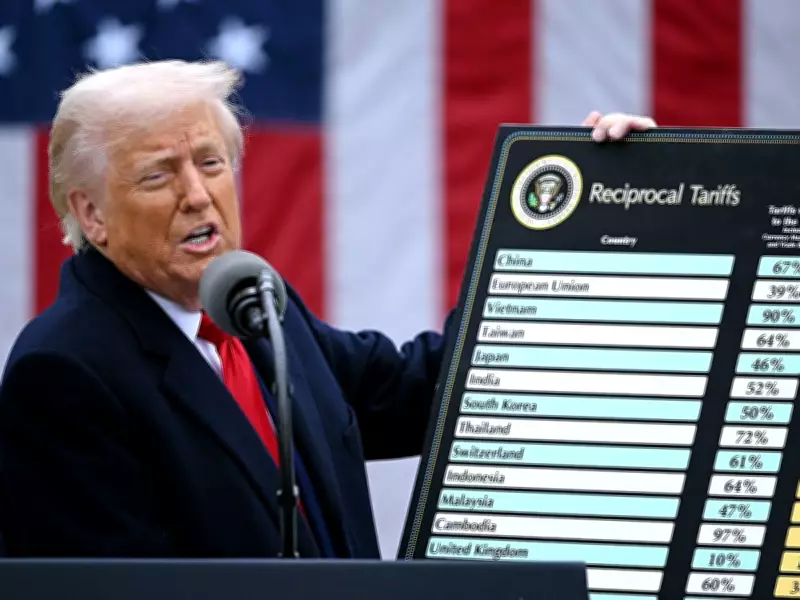
Donald Trump announced his tariff regime on what he termed "liberation day" in April of last year, sparking weeks of turmoil in financial markets and alarming U.S. allies. The tariffs were part of his broader strategy to remake the global trade order, which he claimed had disadvantaged the United States for decades.
Although Trump has since moderated some of the most severe duties, the United States ended 2025 with an effective tariff rate exceeding 10 percent—the highest level since the Second World War. This aggressive trade policy was implemented despite concerns about its economic impact and legal justification.
Economic and Political Implications
While stock markets have recovered in recent months to reach record highs, public opinion polls indicate that many Americans believe the tariffs are harming the country's economy. The Supreme Court's ruling now adds a legal dimension to these concerns, potentially influencing future trade policies and presidential authority.
The decision underscores ongoing debates about the limits of executive power, particularly in matters of international trade and emergency declarations. It also highlights the complex interplay between economic policy, legal frameworks, and political leadership in shaping national and global commerce.
This ruling is expected to have lasting implications for how future administrations approach trade measures under emergency powers, setting a precedent that may constrain similar actions in years to come.