Supreme Court to Hear Four Appeals Challenging Liberal Government's Firearms Ban
The Supreme Court of Canada has announced it will hear arguments against the Liberal government's controversial firearms prohibition, marking a significant legal showdown over one of the country's most contentious public safety policies.
Four Simultaneous Appeals to Be Heard
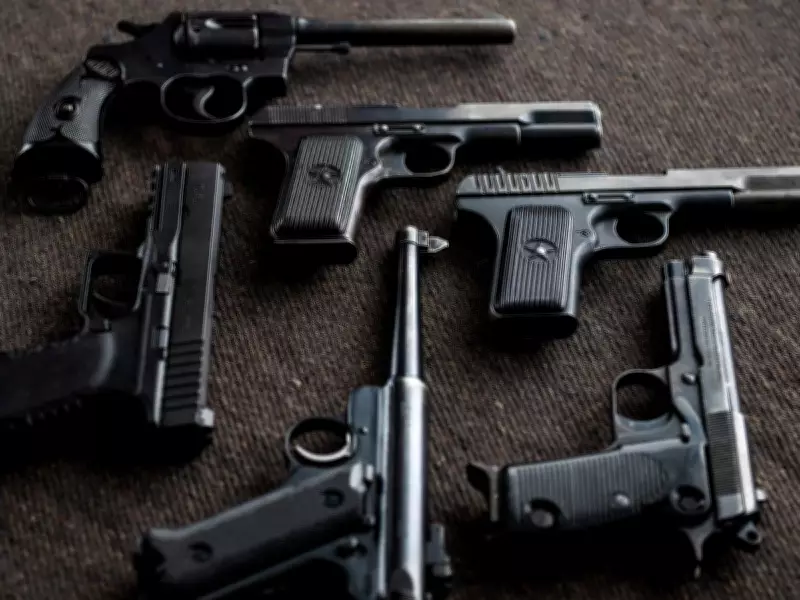
On Thursday, the top court revealed it will simultaneously hear four appeals challenging the sweeping ban of more than 2,500 firearms categorized as 'assault-style' weapons. This comprehensive prohibition includes numerous models that have been traditionally used by Canadians for hunting activities and sport shooting competitions.
The legal challenge represents the culmination of years of political and judicial debate surrounding firearm regulations in Canada. The Supreme Court did not provide specific reasons for accepting the appeals, which is standard procedure, nor did it establish a definitive date for when oral arguments will commence before the justices.

Background of the Firearms Ban
The Liberal government initially moved to prohibit approximately 1,500 firearms in May 2020, following the deadliest mass shooting in Canadian history that unfolded in Nova Scotia. Since that initial action, the firearms blacklist has expanded significantly, growing by more than 1,000 additional models.
This expansion has generated criticism from across the political spectrum, with opponents arguing that the policy prioritizes confiscating legally obtained firearms over addressing the illegal weapons that are responsible for the majority of gun violence incidents across Canada.
Previous Court Decisions
The Federal Court previously dismissed a legal challenge led by the Canadian Coalition for Firearms Rights (CCFR) in 2023. In her decision, Justice Catherine Kane determined that the federal government was operating within its constitutional authority when establishing the firearms ban.
This ruling was subsequently upheld by the Federal Court of Appeal in April 2025, setting the stage for the current Supreme Court appeal. The CCFR is among the groups that will now present their arguments before Canada's highest judicial body.
Government Response and Legal Perspectives
Federal Public Safety Minister Gary Anandasangaree stated that he and his Liberal colleagues anticipate "robustly defending the government's position" before the Supreme Court justices.
Yuan Yu Zhu, a Canadian professor of international law at Leiden University in the Netherlands, offered his perspective on the upcoming legal battle. "I expect the Supreme Court challenge to yield the same result as the ones submitted to lower courts," Zhu commented. "The challenge is made up of a rag-tag bunch of procedural objections and assertions of substantive rights but I didn't see any argument that was really that convincing. It may be a bad policy, but that doesn't mean the government didn't have a right to enact it."
Timing and Amnesty Considerations
The Supreme Court's announcement comes just over six months before the amnesty period on banned firearms is scheduled to conclude on October 30. This amnesty, which has already been extended multiple times, provides temporary protection for owners of prohibited firearms while legal challenges proceed.
In response to the Supreme Court's decision to hear the appeals, the CCFR has already called for further extension of the amnesty period. The organization argues that gun owners require additional time and clarity given the ongoing legal proceedings that will determine the ultimate fate of the firearms prohibition.
The simultaneous hearing of four appeals represents an unusual procedural approach that underscores the complexity and significance of this constitutional challenge. Legal experts anticipate that the Supreme Court's eventual ruling will establish important precedents regarding federal authority over firearms regulation and the balance between public safety concerns and property rights.