Supreme Court Declares Trump Tariffs Illegal, Sparking Refund Uncertainty
The Supreme Court delivered a landmark ruling on Friday, declaring that the majority of tariffs imposed by President Donald Trump on imported goods last year are illegal under the International Emergency Economic Powers Act. However, the decision leaves a critical question unanswered: what happens to the over $160 billion in revenue collected from these tariffs? American consumers, who likely bore the brunt of these costs through higher prices, are not expected to receive refunds, setting the stage for prolonged legal and political disputes.
Legal Void and Corporate Battles
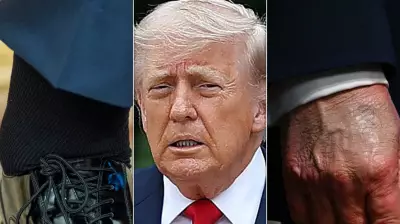
The court's opinion did not specify whether the federal government should return the billions of dollars it collected, creating a legal vacuum. President Trump expressed frustration over this omission, stating, "Wouldn't you think they would have put one sentence in there saying to keep the money or don't keep the money? I guess it has to get litigated for the next two years." This ambiguity has already prompted multiple corporations to sue for refunds, with the administration previously indicating it would issue reimbursements if the tariffs were struck down.
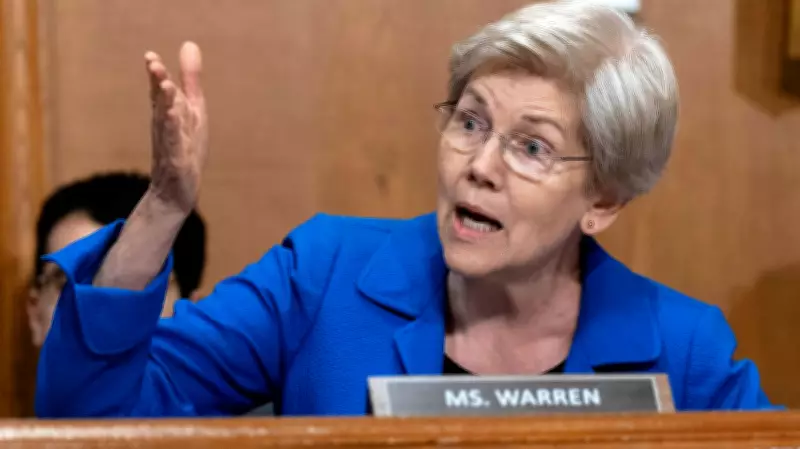
Corporations that imported items and paid the tariffs are in a position to pursue refunds, as they have detailed records of their import and tax payments. These businesses likely recouped some of the tariff costs by charging higher prices for their products, but consumers, who were "nickel-and-dimed" on individual purchases, lack the documentation to claim refunds effectively. Senator Elizabeth Warren (D-Mass.) criticized this disparity, arguing, "Giant corporations with their armies of lawyers and lobbyists can sue for tariff refunds and keep the money they recoup. It's one more example of how the game is rigged."

Political and Judicial Dissent
In a dissent from the majority opinion, Supreme Court Justice Brett Kavanaugh highlighted the complexity of the refund issue as a reason to uphold the tariffs. He warned that the process of returning the collected funds could become a "mess," echoing concerns raised during oral arguments. Meanwhile, President Trump announced plans to replace the stricken tariffs with new levies under a different federal statute, noting that other laws grant the president more limited authority to impose tariffs.
Since last year, Trump has floated the idea of sending tariff rebate checks to American households, acknowledging the financial burden on consumers. In November, he described these potential payments as "dividends" and suggested they could amount to "thousands of dollars for individuals of moderate income, middle income," bypassing congressional approval. However, on Friday, he tempered expectations, predicting that refunds would be tied up in litigation for years, stating, "We'll end up being in court for the next five years."
Broader Implications and Future Outlook
The ruling underscores ongoing tensions in trade policy and executive power. While the Supreme Court has invalidated the tariffs, the lack of guidance on refunds leaves billions in federal revenue in limbo, affecting both corporate and consumer interests. Senator Warren emphasized that any refunds should benefit the millions of Americans and small businesses impacted, rather than large corporations. As legal battles unfold, the decision may influence future presidential actions on tariffs and economic emergencies, highlighting the intricate balance between law, politics, and public finance in the United States.