Trump's Iran Military Action Sparks Constitutional Debate Over Presidential Authority
Ayatollah Ali Khamenei's removal as Iran's supreme leader represents a significant geopolitical shift, with dozens of other figures from the country's Islamist regime eliminated through a coordinated American-Israeli military operation. While many observers welcome the demise of a regime responsible for decades of violence, the manner of this intervention raises serious constitutional concerns about presidential war powers.
Military Action Without Congressional Consultation
President Donald Trump committed United States forces to a major military conflict against Iran without first seeking congressional authorization or even informing lawmakers before the strikes commenced. This pattern follows numerous predecessors who have similarly bypassed constitutional requirements when initiating military engagements, despite the substantial risks such conflicts entail for American service members and national security interests.
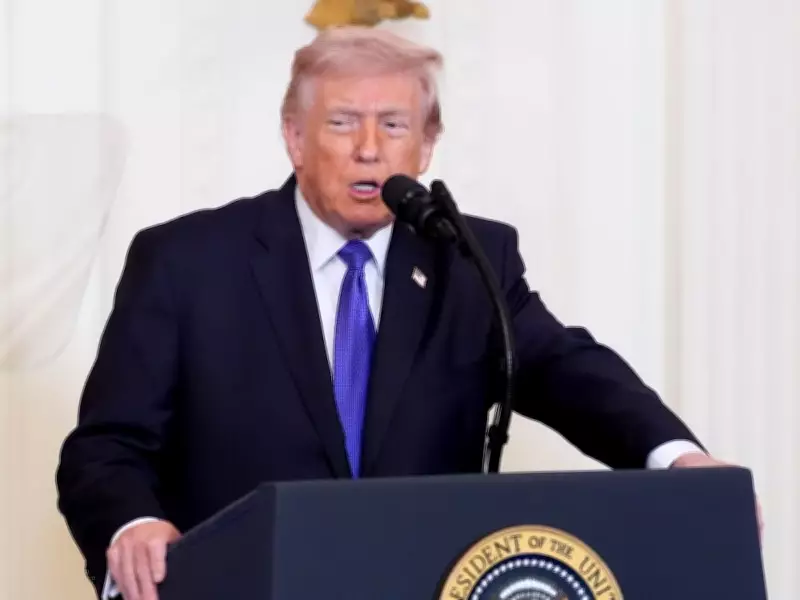
"For 47 years, the Iranian regime has chanted 'Death to America' and waged an unending campaign of bloodshed and mass murder, targeting the United States, our troops and innocent people in many countries," President Trump declared while justifying the operation. His administration cited multiple Iranian provocations including the 1983 bombing of U.S. Marine barracks in Beirut by Iranian proxy Hezbollah, Tehran's involvement in planning the October 7, 2023 Hamas attack on Israel, and the regime's brutal suppression of domestic protests resulting in thousands of civilian deaths.

The president further emphasized that Iran's Islamist government "rejected every opportunity to renounce their nuclear ambitions," presenting the regime as an ongoing threat requiring decisive action. However compelling these justifications might appear, they do not grant any American president unilateral authority to launch military attacks against sovereign nations without proper constitutional processes.
Constitutional Framework for War Powers
The United States Constitution establishes clear divisions of authority regarding military engagements. While designating the president as "Commander in Chief of the Army and Navy of the United States," this role operates within the context of existing declarations of war. The Constitution explicitly grants Congress alone the power "To declare War... To raise and support Armies... To provide and maintain a Navy... To make Rules for the Government and Regulation of the land and naval Forces."
Presidential frustration with these constitutional constraints has manifested repeatedly throughout American history, leading to increasing executive overreach in military matters. This trend prompted Congress to enact the War Powers Resolution in 1973 over President Richard Nixon's veto, establishing specific limitations on presidential military authority.
Legal Constraints Under War Powers Resolution
The War Powers Resolution defines precise circumstances under which presidents may deploy military forces, requiring regular reports to Congress and automatically terminating authorization for force after sixty days unless lawmakers grant explicit extension. Crucially, the legislation specifies that presidential authority to introduce armed forces into hostilities applies only pursuant to:
- A formal declaration of war
- Specific statutory authorization from Congress
- A national emergency created by attack upon the United States, its territories, possessions, or armed forces
This legal framework means presidents cannot initiate hostilities without congressional approval unless responding directly to attacks against American interests. The Trump administration's Iran operation, while targeting a regime responsible for numerous atrocities, appears to violate these constitutional and statutory requirements by proceeding without proper legislative authorization.
The ongoing tension between executive action and legislative oversight in military matters continues to shape American foreign policy, with this latest intervention renewing debates about proper constitutional processes for committing the nation to armed conflict.